
Cressi Dive Mask: Complete Guide to Models & Features
For over seven decades, Cressi has established itself as a premier manufacturer of diving equipment, with their mask collection representing some of the most trusted options in the underwater world. Whether you're a recreational diver, freediving enthusiast, or professional requiring vision correction, understanding the features and capabilities of a cressi dive mask helps ensure you select the right equipment for your specific needs. This comprehensive guide explores the various models, technological innovations, and prescription options available to modern divers.
Understanding Cressi Dive Mask Technology
The engineering behind each cressi dive mask reflects decades of research into underwater visibility, comfort, and performance. Cressi designs incorporate multiple advanced features that distinguish their products from standard diving equipment.
Field of Vision Innovations
Modern Cressi masks prioritize expansive visual range through strategic lens placement and frame design. The Big Eyes Mask revolutionized downward visibility with its unique lens configuration, allowing divers to see their gauges and instruments without tilting their head. This design philosophy extends across the entire product line, with each model optimizing sight lines for specific diving applications.
Key visibility features include:
- Inverted drop-shaped lens designs
- Raked lens angles for peripheral vision
- Low-profile frames that minimize visual obstruction
- Wide-vision anti-fog lens technology
The relationship between internal volume and field of view creates a critical balance. Lower volume masks reduce the amount of air needed for equalization, while larger lens surfaces expand visual range. Cressi addresses this through model-specific engineering rather than one-size-fits-all approaches.
Anti-Fog Systems and Lens Treatment
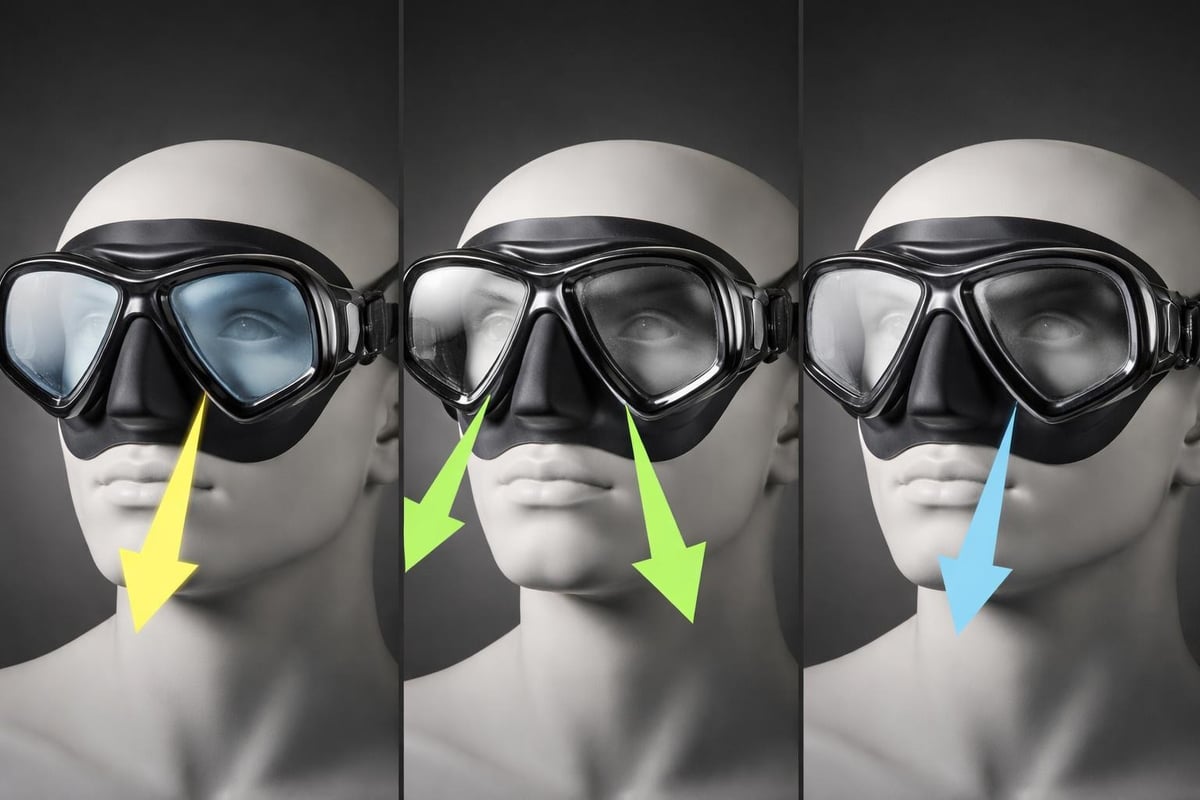
Fogging remains one of the most persistent challenges in diving, and Cressi has developed multiple solutions. The Fog Stop system, featured in models like the Calibro Mask, channels moisture away from lens surfaces through integrated heat exchangers. This passive system works without chemical treatments, providing reliable performance throughout extended dive sessions.
Traditional anti-fog preparations still play a role, and understanding how to stop dive mask fogging complements built-in technologies for optimal clarity underwater.
Popular Cressi Dive Mask Models for 2026
The current Cressi lineup offers specialized options for different diving disciplines and preferences. Each model balances specific performance characteristics to meet particular underwater needs.
Frameless Designs: F1 and Z2
Frameless construction eliminates rigid plastic components around the lens, creating a minimalist profile that reduces weight and bulk. The F1 Dive Mask exemplifies this approach, folding completely flat for travel convenience. Its single tempered glass lens bonds directly to the silicone skirt, creating an uninterrupted visual field.
| Feature | F1 Model | Z2 Model |
|---|---|---|
| Internal Volume | Ultra-low | Low |
| Lens Configuration | Single wide | Single wide |
| Folding Capability | Yes | Limited |
| Weight | Minimal | Light |
| Best For | Travel, freediving | All-purpose diving |
The Z2 Scuba Diving Mask builds on frameless principles while adding structural reinforcement for durability. Both models suit divers who prioritize compactness and simplicity in their equipment.
Traditional Frame Models: Focus and A1
Traditional framed designs provide enhanced durability and easier lens replacement, making them popular among dive professionals and training programs. The Focus Mask represents Cressi's classic approach, with inclined dual lenses that improve downward visibility while maintaining structural integrity.
The A1 Mask advances the traditional concept with wide-vision anti-fog lenses and an ergonomically designed soft silicone skirt. Its hypoallergenic materials reduce skin irritation during extended wear, addressing comfort concerns for sensitive divers.
Traditional frame advantages:
- Easier prescription lens installation
- Enhanced structural protection
- Simplified maintenance and cleaning
- Greater customization options
Specialized Applications: Matrix and Ocean
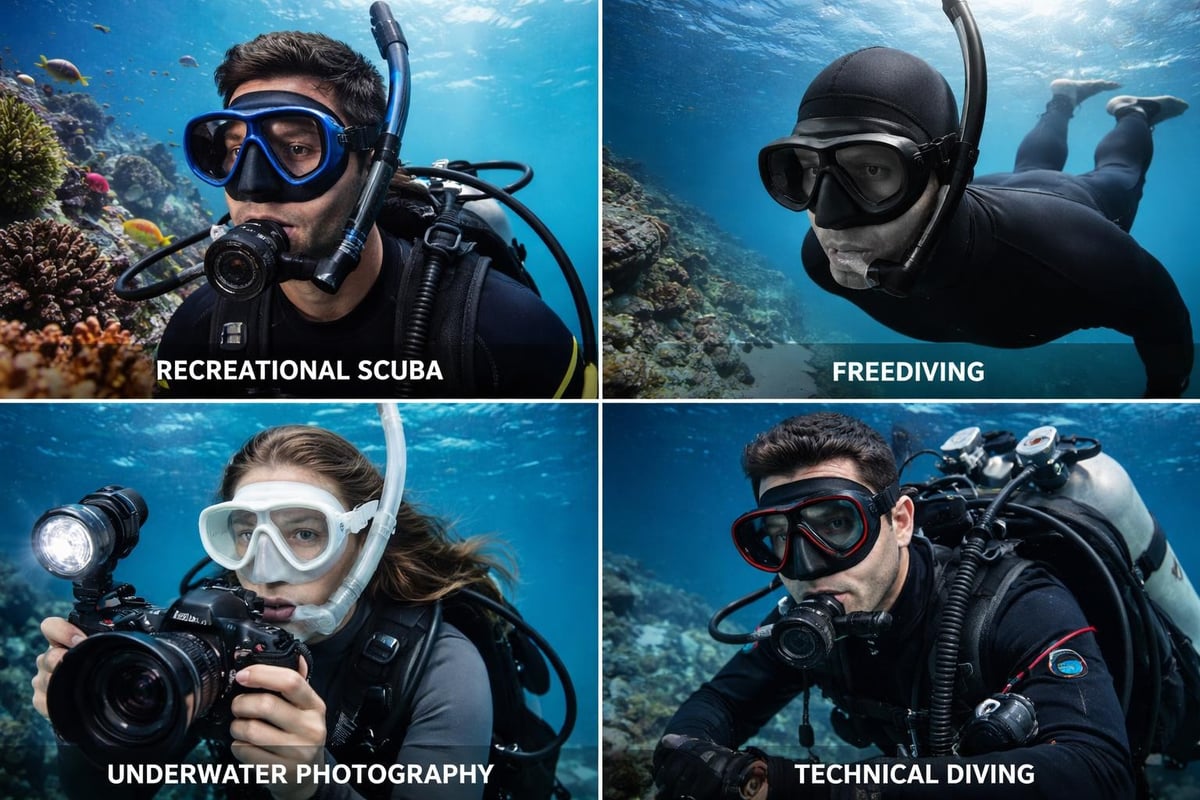
Specialized diving requires purpose-built equipment. The Matrix Mask combines low-volume design with ergonomic shaping specifically for freediving and spearfishing, where minimal drag and rapid equalization prove essential. Its compact profile reduces water resistance during descent and ascent.
The Ocean Mask features a patented inverted drop shape that maximizes peripheral and downward vision simultaneously. This configuration suits underwater photographers and videographers who need comprehensive environmental awareness while operating equipment.
Prescription Options for Cressi Dive Masks
Vision correction transforms the diving experience for those requiring optical assistance. Multiple approaches exist for adding prescription capabilities to a cressi dive mask, each offering distinct advantages based on individual needs.
Standard Prescription Lenses
Many Cressi models accommodate prescription lens inserts or replacements. This straightforward approach works well for divers with standard myopia or hyperopia prescriptions. Prescription diving masks at diving-mask.com offer customized solutions that maintain the original optical quality while correcting vision.
Installation methods vary by model:
- Drop-in optical inserts that fit behind standard lenses
- Complete prescription lens replacements
- Bonded optical elements integrated during manufacturing
- Adhesive lens attachments for temporary correction
The choice depends on prescription strength, budget considerations, and whether you prefer permanent or removable correction. Standard prescriptions typically range from -1.0 to -8.0 diopters for nearsightedness and +1.0 to +4.0 for farsightedness.
Progressive and Bifocal Solutions
Divers over forty often require multifocal correction for both distance viewing and gauge reading. Progressive prescription diving masks eliminate the visible line found in bifocals while providing seamless transition between viewing zones. This technology particularly benefits technical divers who constantly reference multiple instruments and gauges.
| Correction Type | Distance Vision | Near Vision | Gauge Reading | Adaptation Period |
|---|---|---|---|---|
| Single Vision | Excellent | Poor | Poor | None |
| Bifocal | Excellent | Excellent | Excellent | 1-2 dives |
| Progressive | Excellent | Excellent | Excellent | 2-4 dives |
| Reading Gauges Only | Poor | N/A | Excellent | None |
Bifocal dive masks provide a more economical alternative to progressives, with the reading segment positioned in the lower portion of each lens for instrument viewing. Some divers prefer the defined transition zone, finding it easier to locate the reading area quickly.
Custom Prescription Considerations
Complex prescriptions involving astigmatism, prism correction, or high diopter values require specialized manufacturing. When selecting a cressi dive mask for custom prescription work, consider models with larger lens surfaces that accommodate the full optical zone required for your correction.
Factors affecting prescription feasibility:
- Available lens surface area
- Frame geometry and curvature
- Distance between lenses (pupillary distance)
- Lens material compatibility with prescription grinding
- Manufacturer optical grinding capabilities
Working with specialists at diving-mask.com ensures your prescription translates correctly to the underwater environment, accounting for the magnification effects of water on perceived image size.
Selecting the Right Cressi Dive Mask
Choosing among the extensive Cressi lineup requires evaluating your diving style, physical characteristics, and performance priorities. Several factors influence which model provides the best experience.
Face Shape and Fit
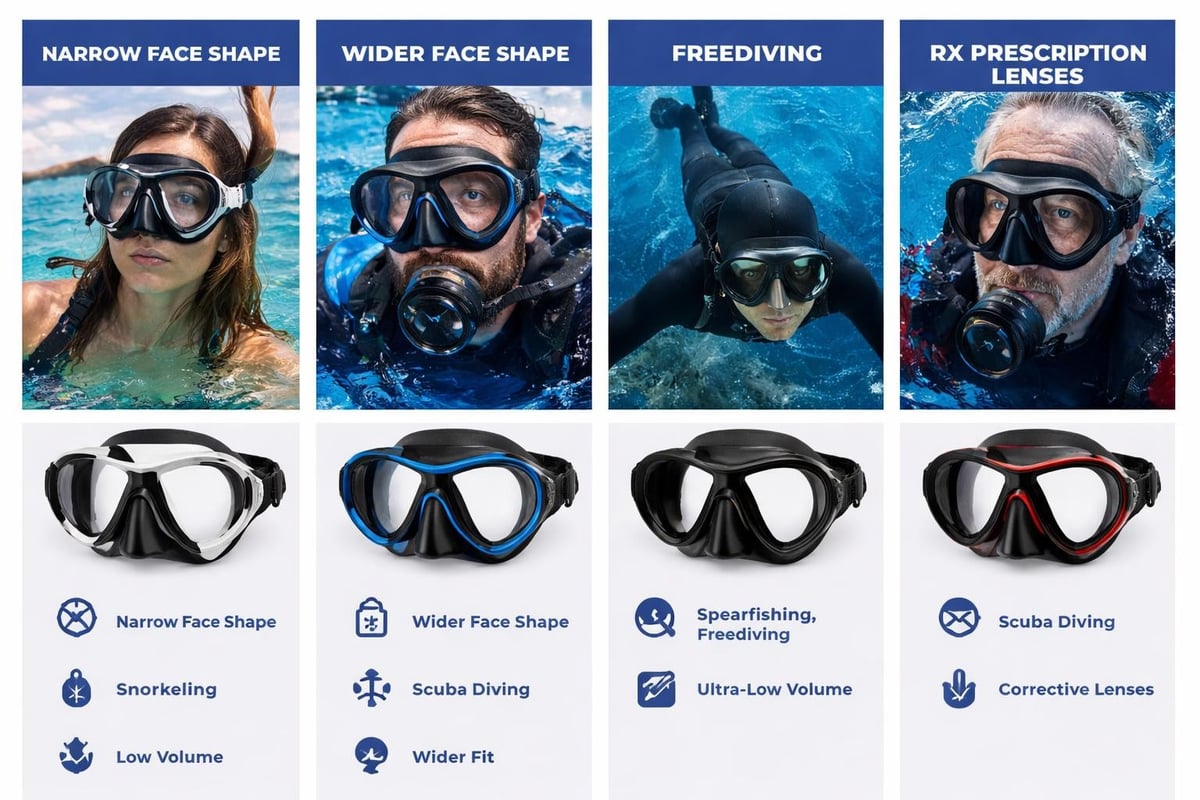
Silicone skirt design determines seal quality and comfort. Cressi produces masks with different facial geometries to accommodate various face shapes. The skirt should contact your face evenly without pressure points or gaps.
Testing fit before purchase:
- Place mask on face without using the strap
- Inhale gently through your nose
- Mask should stay in place through suction alone
- No air should leak around edges
- Silicone should feel comfortable, not pinching
Low-profile models like the Z2 work well for smaller faces, while the Big Eyes suits those needing additional internal space. Some divers find dual-lens designs accommodate their facial structure better than single-lens configurations.
Diving Environment and Conditions
Your typical diving conditions influence optimal mask selection. Cold-water diving benefits from models with efficient Fog Stop systems like the Fiji Mask, which actively manages the temperature differential between your face and surrounding water.
Tropical diving priorities shift toward comfort during extended wear and maximum visibility in clear conditions. The wide field of view provided by models like the Ocean Mask enhances the experience in high-visibility environments where peripheral awareness adds to enjoyment.
Budget and Long-Term Value
Cressi masks span a range of price points, reflecting different feature sets and construction methods. Entry-level models provide excellent value for occasional divers, while premium options justify their cost through advanced materials and engineering for frequent use.
Consider total ownership costs beyond initial purchase:
- Replacement parts availability
- Prescription lens installation expenses
- Expected lifespan based on construction quality
- Compatibility with other equipment (full-face regulators, hoods)
- Resale value if upgrading later
The best cressi dive mask for your needs balances immediate affordability with long-term performance and durability. Investing in prescription capabilities upfront often proves more economical than purchasing multiple masks as your diving evolves.
Maintenance and Care for Optimal Performance
Proper maintenance extends the functional life of any cressi dive mask while ensuring consistent performance. Regular care prevents common issues that degrade visibility and comfort.
Pre-Dive Preparation
New masks require preparation before use. Factory coatings on lenses cause persistent fogging until removed. Clean new lenses with non-abrasive toothpaste, rubbing thoroughly and rinsing completely. Some divers prefer lighter fluid application followed by immediate washing, though this requires careful handling.
Before each dive session:
- Rinse mask with fresh water
- Apply anti-fog solution or saliva to dry lenses
- Inspect silicone skirt for tears or degradation
- Check strap adjustment and buckle function
- Verify prescription inserts remain secure (if applicable)
Temperature management prevents fogging. Allowing your mask to acclimate to water temperature before the dive reduces moisture condensation on cooler lenses.
Post-Dive Cleaning and Storage
Saltwater, chlorine, and organic matter degrade silicone and corrode metal components over time. Thorough rinsing after every dive removes contaminants before they cause damage.
Proper cleaning protocol:
- Rinse thoroughly with fresh water
- Soak in mild detergent solution for 10-15 minutes
- Rinse again and inspect for debris
- Dry completely before storage
- Store in protective case away from direct sunlight
- Avoid folding or compressing silicone skirt
UV exposure accelerates silicone deterioration, causing yellowing and reduced flexibility. Store masks in opaque containers or bags when not in use. Extreme temperatures also affect material properties, so avoid leaving equipment in hot vehicles or freezing conditions.
Recognizing When Replacement Becomes Necessary
Even well-maintained masks eventually require replacement. Silicone skirts lose elasticity, developing permanent creases that compromise sealing. Lens scratches accumulate, reducing optical clarity. Strap elasticity degrades, making secure fitting difficult.
Replacement indicators:
- Persistent leaking despite proper fit adjustment
- Yellowed or cloudy silicone
- Deep scratches affecting lens clarity
- Broken or stripped buckle components
- Loss of skirt flexibility
For prescription mask users, vision changes necessitate lens updates even when the mask itself remains functional. Regular eye examinations ensure your underwater vision correction matches your current prescription.
Enhancing Your Diving Experience with Cressi Masks
Beyond basic functionality, a cressi dive mask contributes to overall dive quality through comfort, confidence, and visual enjoyment. Several enhancement strategies maximize these benefits.
Accessory Integration
Mask accessories expand capability for specific applications. Prescription mask users might add colored filters that enhance color vision under water, compensating for wavelength absorption at depth. These filters attach to mask exteriors, intensifying reds and oranges that otherwise appear muted.
Neoprene comfort straps replace standard silicone bands, distributing pressure across a wider area and preventing hair tangling. Quick-release buckles facilitate easier donning and doffing, particularly beneficial when wearing thick hoods or managing other equipment simultaneously.
Skill Development for Better Performance
Proper mask skills prevent problems and enable quick recovery when issues occur. Practice mask clearing in controlled environments until the process becomes automatic. Develop comfort with mask removal and replacement underwater, reducing anxiety if accidental dislodging occurs.
Essential mask skills:
- Partial clearing (removing small water amounts)
- Full flooding and clearing
- No-mask swimming
- Emergency ascent with flooded mask
- Rapid seal adjustment while submerged
These skills matter equally regardless of which cressi dive mask you choose, though low-volume models clear more easily due to reduced water displacement requirements.
Combining with Other Prescription Options
Some divers prefer contact lenses under standard masks rather than dedicated prescription masks. This approach offers flexibility but requires specific precautions. Soft lenses risk washing out during mask clearing, while rigid gas-permeable lenses maintain position better but feel less comfortable.
Prescription scuba diving masks eliminate contact lens concerns while providing optimal optical quality specifically designed for underwater viewing. The investment in proper prescription equipment often proves worthwhile for regular divers requiring vision correction.
Advanced Considerations for Technical Divers
Technical diving presents unique demands that influence equipment selection. Extended bottom times, greater depths, and complex environments require equipment reliability beyond recreational standards.
Volume and Equalization Efficiency
Technical divers prioritize rapid, effortless equalization during descent. Low-volume masks minimize the air space requiring pressure compensation, reducing consumption from limited gas supplies. The reduced volume also decreases buoyancy changes during ascent and descent.
Frameless models like the F1 excel in technical applications due to their minimal internal space. However, prescription requirements may necessitate traditional frames that accommodate optical inserts, creating a trade-off between volume and vision correction.
Equipment Configuration and Compatibility
Full-face masks for communication systems or contaminated water diving require different considerations than standard masks. Some technical divers maintain a backup standard mask, making Cressi's compact, folding designs ideal for emergency equipment.
Compatibility with thick neoprene hoods affects fit and seal quality. Test any cressi dive mask with your complete exposure protection system before relying on it for challenging dives. The silicone skirt should conform smoothly over hood material without creating gaps or excessive pressure points.
Redundancy and Emergency Preparedness
Equipment failure at depth creates serious hazards. Technical divers carry backup masks accessible during emergencies. The compact nature of frameless Cressi models makes them practical secondary units that fit in pockets or attach to harnesses.
Consider maintaining prescription capabilities in backup equipment. A standard mask without correction limits situational awareness during emergencies if you depend on vision correction normally. Corrective dive masks sized for backup use ensure you maintain full capability regardless of which mask you're wearing.
Future Developments in Dive Mask Technology
Cressi continues innovating, with 2026 bringing new advancements in materials, design, and functionality. Understanding emerging trends helps make informed purchasing decisions that remain relevant as technology evolves.
Smart Integration Possibilities
Heads-up display technology adapts slowly to diving due to power, pressure, and reliability requirements. However, mask-mounted displays for depth, time, and decompression information represent logical evolution. Cressi's engineering expertise positions them well for integrating such technologies while maintaining core optical performance.
Current models emphasize passive reliability over electronic complexity, ensuring function regardless of battery status or technical failures. This philosophy likely continues while selective smart features appear in premium specialized models.
Material Science Advances
Silicone formulations evolve constantly, improving durability, flexibility, and hypoallergenic properties. Future cressi dive mask models may incorporate longer-lasting materials that resist UV degradation and maintain sealing properties through extended use.
Lens treatments advance similarly, with more effective anti-fog coatings and scratch-resistant surfaces becoming standard rather than premium features. These improvements enhance ownership experience without requiring fundamental design changes.
Selecting the right cressi dive mask involves balancing field of vision, comfort, anti-fog technology, and prescription requirements for your specific diving applications. Each model in the Cressi lineup serves particular needs, from compact frameless designs for travel to traditional frames accommodating complex prescriptions. Whether you're exploring tropical reefs or conducting technical dives, proper mask selection enhances safety and enjoyment underwater. For divers requiring vision correction, diving-mask.com specializes in customizing Cressi masks with precision prescription lenses, including progressive options for multifocal needs, ensuring you experience underwater environments with complete visual clarity.