The Essential Corrective Dive Mask Guide for 2026
Imagine gliding beneath the waves and seeing every detail of the underwater world with perfect clarity. For many divers and snorkelers, this dream becomes reality with the right corrective dive mask. If you have vision correction needs, this guide will help you make smart choices and enjoy every moment below the surface.
Here, you will find expert advice on selecting the ideal corrective dive mask, understanding prescription options, ensuring a comfortable fit, and maintaining your mask for peak performance. Discover the latest innovations and tips to transform your underwater adventures in 2026.
Understanding Corrective Dive Masks: Essentials for 2026
Imagine entering the aquatic world and seeing every detail as sharply as you do on land. For many divers and snorkelers, this is possible only with a corrective dive mask. Understanding how these masks work and what makes them essential in 2026 can transform your underwater experience.
What Are Corrective Dive Masks?
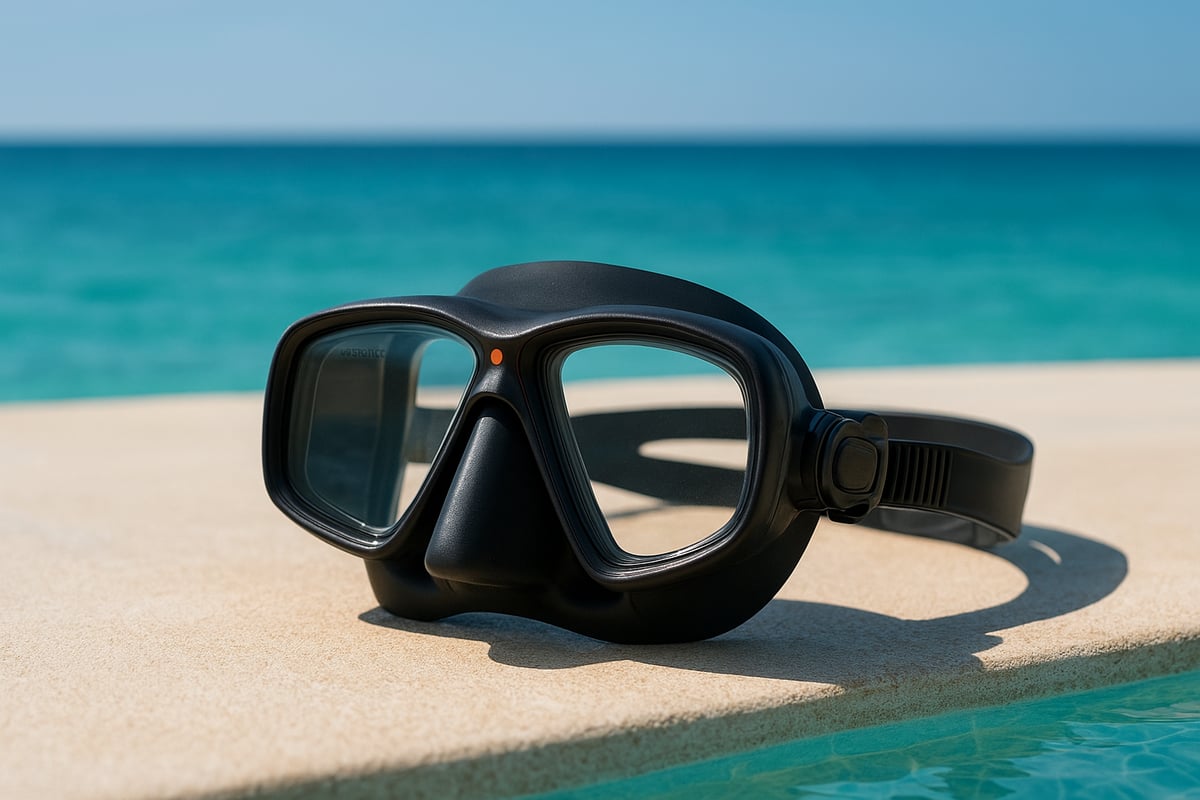
A corrective dive mask is a specialized piece of equipment designed to address refractive vision errors underwater. Unlike standard masks, which offer no optical correction, a corrective dive mask integrates prescription lenses directly into the mask frame.
These masks help people with myopia, hyperopia, astigmatism, and presbyopia see clearly below the surface. With over 60% of adults requiring some form of vision correction, the demand for these masks continues to grow.
By matching your prescription, a corrective dive mask restores clarity and confidence to every dive.
Types of Corrective Dive Masks
There are two primary types of corrective dive mask solutions: off-the-shelf and custom-made. Off-the-shelf options use standard diopter lenses, suitable for common prescriptions and quick replacements. Custom-made masks, on the other hand, are tailored to your exact vision needs, including astigmatism or multifocal requirements.
Lens types include single vision (for distance), bifocal (for near and far tasks), and progressive lenses (for seamless transitions). Some masks, like the Mares X-Vision with prescription lenses or TUSA Intega with bifocals, offer specialized features.
Each type comes with advantages and drawbacks, such as cost, field of vision, and adaptation time. For a deeper dive, see this Corrective Dive Masks Explained resource.
How Corrective Lenses Work Underwater
Corrective lenses in a dive mask leverage optical science to counteract underwater distortion. Water has a different refractive index than air, causing images to appear larger and closer. A corrective dive mask is engineered to compensate for this effect by integrating your prescription through various methods, such as bonded, drop-in, or interchangeable lenses.
When choosing a mask, your land prescription may need slight adjustments to accommodate underwater magnification. For example, a diver with a -2.00 prescription on land might require a slightly weaker lens for optimal underwater clarity.
Key Benefits of Corrective Dive Masks
Using a corrective dive mask unlocks significant advantages for divers and snorkelers. Enhanced safety tops the list, as clear vision reduces the risk of misreading gauges or missing hand signals. Improved visual acuity allows you to spot marine life and capture stunning underwater photos.
Other benefits include reduced eye strain and fewer headaches, particularly on longer dives. Industry surveys indicate that divers using prescription masks report 30% fewer underwater mishaps. Testimonials from users highlight increased confidence and enjoyment during every dive.
Who Needs a Corrective Dive Mask?
Anyone struggling with vision clarity underwater can benefit from a corrective dive mask. This includes scuba divers, snorkelers, and freedivers across all age groups—children, adults, and seniors. Special attention is needed for progressive prescriptions or those with complex vision needs.
Professional divers, underwater photographers, and marine researchers often rely on prescription masks to perform at their best. Notably, demand for corrective dive mask options is rising among the 40+ age group, reflecting broader trends in vision correction and active lifestyles.
Choosing the Right Corrective Dive Mask: A Step-by-Step Guide
Selecting the ideal corrective dive mask is essential for underwater clarity and safety. With so many options in 2026, a systematic approach ensures you make the right choice for your vision needs. Use this step-by-step guide to navigate the process confidently.
Step 1: Assess Your Vision Needs
Begin by reviewing your current eye prescription. Accurate details for sphere, cylinder, axis, and add are crucial for a corrective dive mask that truly enhances your underwater vision.
Visit an optometrist for an up-to-date exam, especially if you have astigmatism or require multifocal correction. Many divers use expired prescriptions, which can lead to blurred sights and discomfort.
If you need to adapt your land prescription for underwater use, consult a professional or reputable dive mask provider. This ensures your corrective dive mask matches your specific requirements.
Step 2: Decide Between Off-the-Shelf and Custom Options
Next, choose between off-the-shelf and custom-made corrective dive mask options. Off-the-shelf masks offer standard diopter corrections, while custom models are tailored to your exact prescription.
| Option | Pros | Cons | Price Range |
|---|---|---|---|
| Off-the-shelf | Affordable, quick availability | Limited range, less precise | $50-$100 |
| Custom | Exact match, accommodates complexity | Higher cost, longer wait | $120-$200+ |
Off-the-shelf suits mild prescriptions, but custom masks are best for unique or strong corrections. Always weigh the benefits for your corrective dive mask needs.
Step 3: Select the Correct Lens Type
The lens type in your corrective dive mask impacts your underwater experience. Single vision lenses are ideal for distance, while bifocal and progressive lenses accommodate both near and far tasks. Gauge reader masks help with close-up instrument reading.
Consider your primary activities. If you need seamless transitions between focal points, progressive lenses are a top choice. Adaptation may take time but improves overall satisfaction. For a comprehensive overview of lens options, visit the Corrective Lens Dive Mask Overview.
Step 4: Ensure Proper Mask Fit and Comfort
A well-fitting corrective dive mask prevents leaks and maximizes comfort. Test the seal with a suction test—place the mask on your face without straps and inhale gently. The mask should stay in place.
Adjust straps for a snug but comfortable fit. Choose a design compatible with your facial shape. Some brands offer models for narrow or wide faces to ensure every diver finds the right corrective dive mask.
Step 5: Consider Lens Material and Coatings
Lens material affects durability and clarity in your corrective dive mask. Tempered glass is preferred for safety and scratch resistance, while plastic lenses can be lighter but more prone to scratches.
Look for anti-fog and UV protective coatings. These features enhance visibility and reduce maintenance. Studies show that anti-fog coatings can significantly minimize fogging issues, making your corrective dive mask more reliable.
Step 6: Evaluate Brand and Warranty Options
Select a trusted brand for your corrective dive mask. Leading manufacturers in 2026 offer robust warranties, covering lens adhesion and frame integrity.
A five-year warranty is now standard among top brands. Consider customer support, global shipping, and satisfaction ratings. These factors contribute to a positive, long-term corrective dive mask experience.
Customized Prescription Dive Masks: Diving Mask
Diving Mask specializes in custom prescription solutions for any corrective dive mask. Their German craftsmanship ensures exceptional quality, backed by a 5-year warranty on lens bonding.
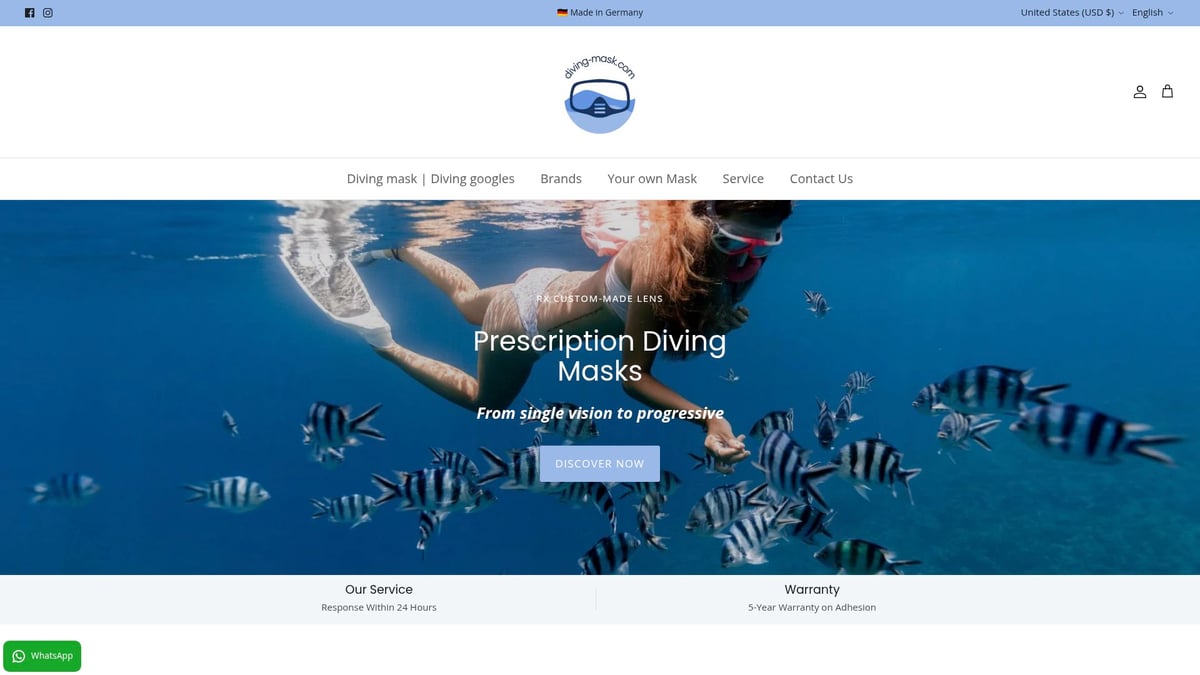
Options include single vision, progressive, and reading lenses, all tailored to your needs. Prescription lenses can be fitted into any mask, even your own. A wide selection of top dive brands ensures seamless integration with your corrective dive mask. Global shipping and multilingual support make ordering convenient. Customer testimonials consistently highlight satisfaction and clarity.
Prescription Options and Innovations for 2026
The world of underwater vision is evolving rapidly, and the corrective dive mask is at the forefront of this transformation. In 2026, divers can expect a range of new prescription options and advanced technology designed to enhance clarity, comfort, and safety beneath the surface.
Advances in Prescription Lens Technology
Recent years have brought remarkable improvements to the corrective dive mask. Lenses are now thinner and lighter, resulting in less bulk and better comfort for extended dives. Advanced digital surfacing techniques enable precise shaping, which minimizes underwater distortion and improves optical clarity.
For example, 2026 models feature prescription lenses that are up to 30 percent lighter than previous generations. This not only reduces fatigue but also ensures that the corrective dive mask remains securely in place throughout each dive.
Progressive and Multifocal Solutions
As divers age, multifocal needs become more common. The latest corrective dive mask models address this by integrating progressive lenses that offer seamless transitions between near and far vision underwater. These innovations make it easier than ever to read gauges, spot marine life, and capture underwater photographs without switching masks.
First-time users will benefit from adaptation tips provided by manufacturers, ensuring a smooth transition to multifocal use. For a deep dive into these options, see the Progressive Prescription Diving Masks guide, which explores the newest solutions for multifocal corrective dive mask users.
Astigmatism and Specialty Prescriptions
Not all vision challenges are the same. Divers with astigmatism or complex prescriptions can now find custom toric lenses designed specifically for their needs. A corrective dive mask with these specialty lenses addresses issues like blurred or distorted vision that standard lenses cannot correct.
Manufacturers are also providing solutions for high prescriptions, ensuring that even those with significant refractive errors can safely enjoy the underwater world. Underwater photographers, in particular, appreciate these tailored options for their ability to capture sharp, vibrant images.
Smart Dive Masks and Digital Integration
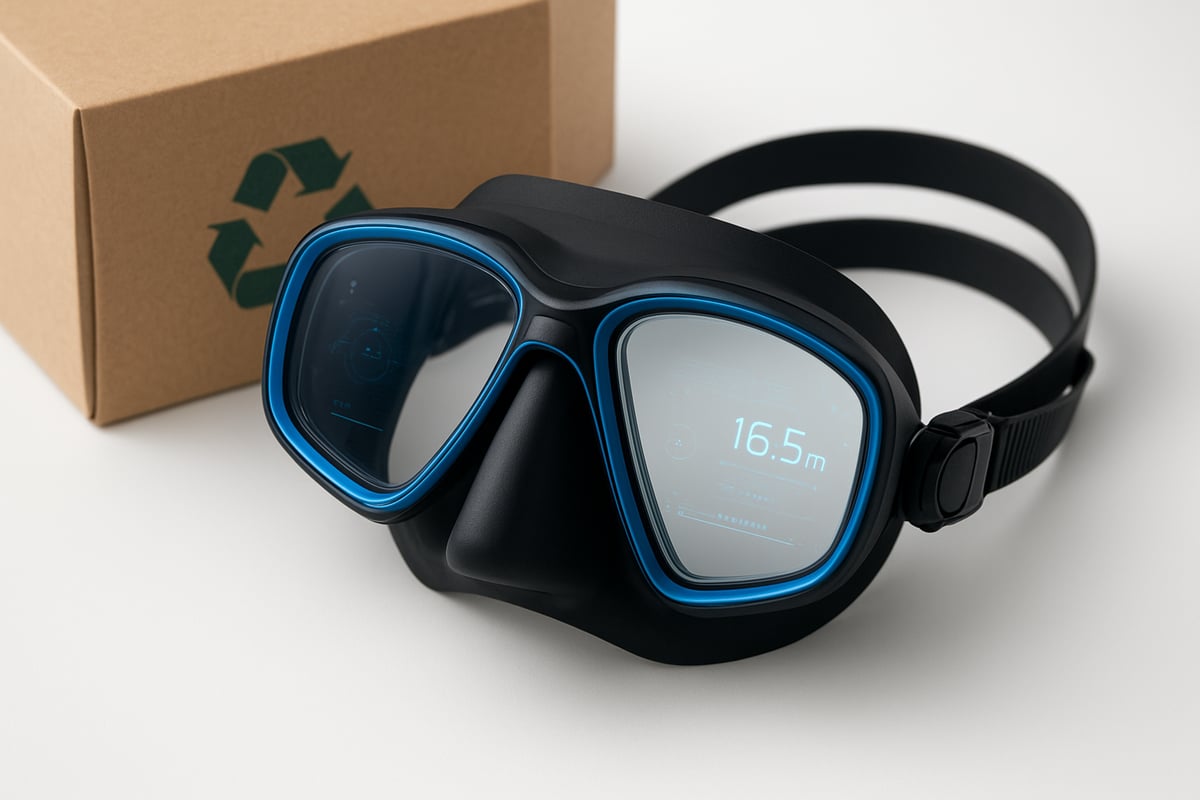
Innovation in the corrective dive mask sector is not limited to lenses alone. Smart dive masks now feature heads-up displays and integrated dive computers, providing real-time data overlays for divers who require vision correction. These advanced models are compatible with prescription inserts, ensuring that divers never have to compromise on clarity or safety.
The integration of technology and prescription solutions means that the corrective dive mask is becoming a true hub for underwater communication, navigation, and information access.
Sustainability and Eco-Friendly Materials
Environmental stewardship is a growing priority in the dive industry. Many brands now offer corrective dive mask options made from recycled plastics and sustainable materials. These eco-friendly masks support ocean conservation efforts while maintaining high standards of durability and optical performance.
For divers who value sustainability, choosing a corrective dive mask from an eco-conscious manufacturer is a meaningful way to protect the marine environments they explore.
Fitting, Maintenance, and Care for Corrective Dive Masks
Ensuring the best experience with your corrective dive mask begins with a proper fit and continues with attentive care. A well-fitted and maintained corrective dive mask not only optimizes vision but also extends the life of your equipment. Let’s break down the essential steps every diver should follow.
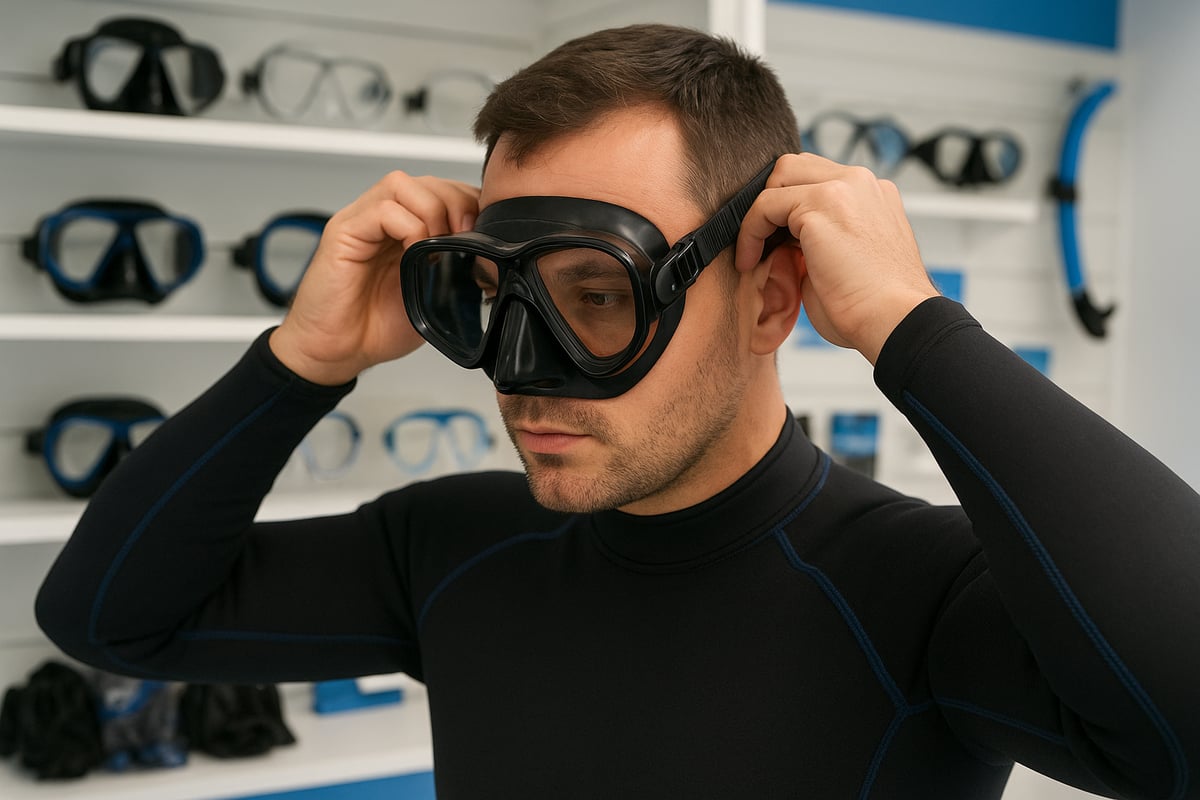
Proper Mask Fitting Process
Selecting a corrective dive mask that fits perfectly is the foundation for underwater comfort and safety. Start by measuring your face shape and noting features such as cheek width, nose bridge height, and overall face size. Pay close attention to the nose pocket and strap length, as these are crucial for a secure seal.
When possible, visit a dive shop for in-person fitting. Use the suction test: gently press the mask to your face without using the strap, inhale slightly through your nose, and ensure it stays in place without leaking air. Adjust the straps evenly on both sides for comfort.
If you wear facial hair, orthodontics, or accessories, test the fit with these in place. For children and teens, look for adjustable straps and junior sizing. A corrective dive mask that fits well will prevent leaks and maximize your vision underwater.
Preparing Your Mask for First Use
Before taking your corrective dive mask into the water, it’s important to prepare it correctly. New masks often have a thin film from manufacturing that can cause fogging. Clean the inside of the lenses gently with a non-abrasive toothpaste and rinse thoroughly—this removes residue and helps prevent fog.
Apply an anti-fog treatment to both sides of the lenses. Let it dry according to product instructions. Next, do a leak test at home: wear the mask, submerge your face in a basin of water, and check for air bubbles or water seepage. This ensures your corrective dive mask is ready for your first dive.
On-Trip Mask Care and Troubleshooting
Caring for your corrective dive mask during trips helps maintain clarity and comfort. To prevent fogging, rinse the mask with fresh water before each use and reapply anti-fog solutions as needed. If leaks occur, check the skirt for hair or debris and readjust the straps.
If a strap breaks or a lens detaches, use a field repair kit for quick fixes. Always carry spare straps and lens adhesive. For more detailed troubleshooting and care guidance, consult the Prescription Diving Masks Guide, which offers expert advice on common issues.
Long-Term Maintenance and Storage
After each dive, rinse your corrective dive mask in fresh water to remove salt, sand, and chlorine. Gently clean the lenses with a microfiber cloth, avoiding harsh chemicals. Dry the mask completely before storage.
Store your mask in a protective case to prevent scratches and warping. Keep it away from direct sunlight and extreme temperatures, as these can damage the silicone skirt and frame. Inspect lens adhesion and frame integrity regularly to ensure your corrective dive mask remains reliable.
Prescription Updates and Mask Longevity
Regularly updating your prescription is key to getting the most from your corrective dive mask. Signs that you need a new prescription include blurred underwater vision, eye strain, or frequent headaches. Most divers find their mask lasts 3 to 7 years with proper care.
Schedule annual eye exams, especially if you dive frequently. Replace your mask if you notice cracks, weakened seals, or if the lenses no longer match your current prescription. This routine will keep your corrective dive mask performing at its best.
Children’s and Family Prescription Dive Masks
When choosing a corrective dive mask for children, prioritize adjustable straps and junior-sized models. Kids’ faces change quickly, so a snug yet flexible fit is essential for safety and comfort.
Family mask sets are available for group trips, ensuring everyone has the right fit and prescription. Always supervise children during mask fitting and practice donning and doffing before heading to open water. With the right corrective dive mask, every family member can enjoy clear, safe underwater adventures.
The Future of Corrective Dive Masks: Trends and Predictions
The world of underwater exploration is rapidly changing, and so is the corrective dive mask. As we look toward 2026, several key trends are shaping how divers experience the ocean with optimal vision. Let’s explore what the future holds for these essential pieces of equipment.
Market Growth and Demographic Shifts
The global market for the corrective dive mask is expanding at an impressive rate, driven by a surge in participation from older divers and families. Divers over 40 now make up a significant portion of new mask buyers. According to the Global Diving Masks Market Report, the industry is projected to grow 8% annually through 2026 and beyond.
This growth is not only about numbers but also about diversity. More women, seniors, and families are seeking underwater adventures, fueling demand for specialized corrective dive mask options. The accessibility of prescription lenses for all ages is making underwater exploration possible for a broader audience.
Customization and Personalization Trends
Personalization is becoming a defining feature for the corrective dive mask of the future. Advances in 3D scanning now allow for custom-fitted masks, tailored to each diver’s unique facial structure and prescription. Divers can select custom colors, styles, and even add personal branding.
Online configurators make ordering a bespoke corrective dive mask easier than ever. The ability to match mask frames to wetsuits or favorite colors is gaining popularity, especially among younger divers. These trends are transforming the mask from a simple tool into a reflection of personal identity.
Integration with Diving Technology
Technology is seamlessly merging with the corrective dive mask, creating new possibilities for underwater experiences. Smart masks now offer features like integrated heads-up displays, digital dive computers, and real-time environmental sensors.
Prescription lens compatibility is a major focus, ensuring that divers with vision correction needs can benefit from these innovations. The 2026 models are expected to offer prescription inserts that work with augmented reality features, so divers never have to compromise on vision or safety.
Regulatory Standards and Safety Updates
Safety remains paramount in the evolution of the corrective dive mask. Updated ISO and EN standards are being adopted worldwide, ensuring that all prescription masks meet strict criteria for durability, lens adhesion, and optical clarity.
Regional regulations, including CE and FDA certifications, are now required for many corrective dive mask models. These standards help protect divers and ensure that every mask provides reliable, long-lasting performance. Manufacturers are investing in rigorous testing to comply with these updated safety requirements.
Community, Accessibility, and Inclusion
The future of the corrective dive mask is inclusive, with brands and organizations working to make underwater adventures accessible to everyone. Adaptive solutions are now available for divers with additional needs, such as easy-adjust straps and specialized lens options.
Collaborations with accessibility organizations are helping to break down barriers. Community initiatives are introducing more children, seniors, and people with disabilities to the joys of diving. As a result, the corrective dive mask is becoming a tool for empowerment, enabling all divers to experience the underwater world in vivid detail.