Prescription Goggles for Diving: Complete 2026 Guide
For divers who require vision correction, the underwater world has traditionally presented a unique challenge. Whether you're exploring coral reefs, investigating shipwrecks, or conducting underwater research, clear vision is essential for safety and enjoyment. Modern prescription goggles for diving have revolutionized the underwater experience for individuals with myopia, hyperopia, astigmatism, or presbyopia, allowing them to see the marine environment with the same clarity as those with perfect vision. These specialized optical solutions combine the functionality of traditional dive masks with precision-crafted corrective lenses, opening up new possibilities for recreational and professional divers alike.
Understanding Prescription Dive Mask Technology
The evolution of prescription goggles for diving reflects significant advances in underwater optical engineering. Unlike regular eyeglasses that sit approximately 12 millimeters from your eyes, dive masks create an air space directly against your face, which affects how light refracts underwater. This proximity changes the optical requirements substantially.
Optical Principles Underwater
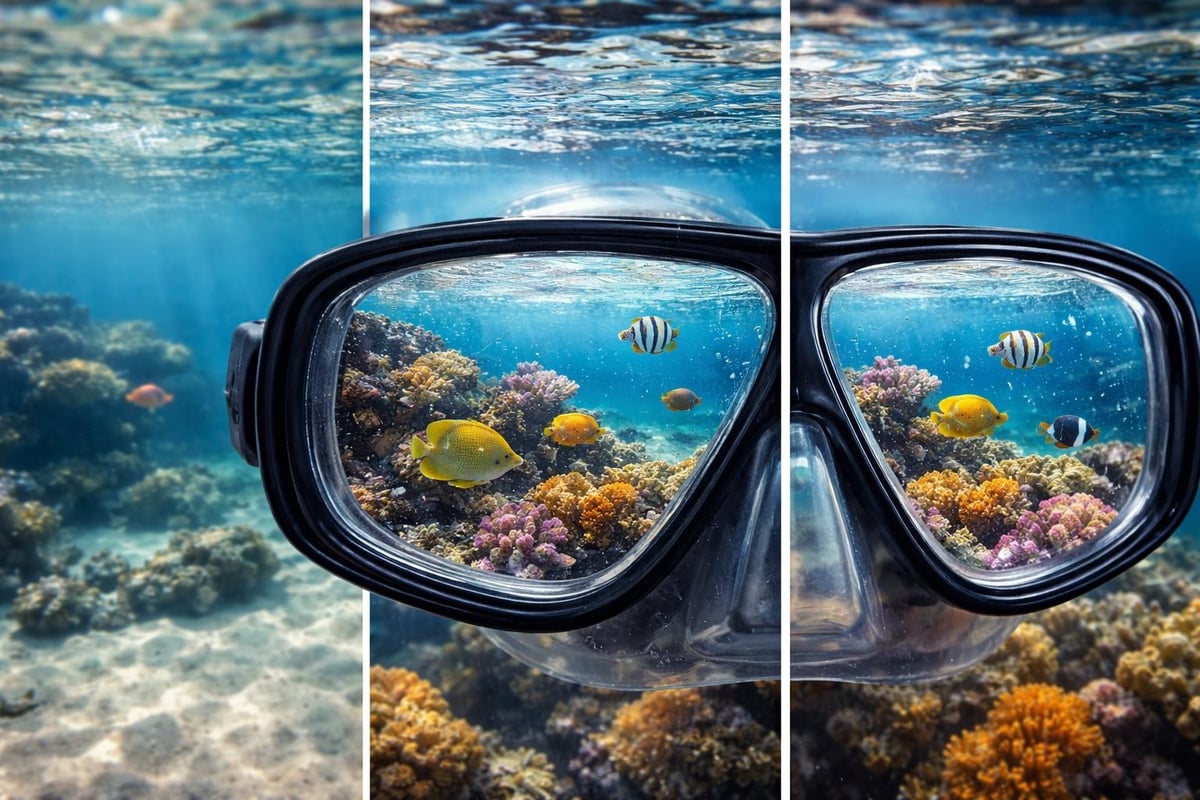
When light travels from water into the air space of your mask and then through a corrective lens, it undergoes multiple refractive changes. This phenomenon requires specialized calculations to ensure your prescription translates accurately to underwater viewing conditions. Professional mask manufacturers use advanced optical formulas to compensate for these environmental factors.
The water-to-air interface magnifies everything underwater by approximately 25-30%, making objects appear closer and larger than they actually are. Your prescription lenses must account for this magnification effect to deliver optimal visual acuity. Understanding prescription swim goggles helps establish baseline knowledge for more advanced dive mask options.
Lens Material Options
Modern prescription goggles for diving utilize several advanced materials, each offering distinct advantages:
- Polycarbonate lenses: Impact-resistant, lightweight, and provide UV protection
- High-index plastics: Thinner profiles for stronger prescriptions
- Tempered glass: Superior optical clarity and scratch resistance
- CR-39 plastic: Cost-effective option with good optical properties
Material selection depends on your prescription strength, diving conditions, and budget considerations. Stronger prescriptions typically benefit from high-index materials that reduce lens thickness and weight.
Types of Prescription Solutions Available
The market for prescription goggles for diving has expanded significantly, offering solutions for virtually every vision correction need. Divers can choose from pre-made options or fully customized masks tailored to their exact specifications.
Single Vision Correction
Distance vision masks remain the most popular choice among divers. These masks correct for either nearsightedness or farsightedness throughout the entire lens. They're ideal for recreational divers who primarily need clear vision for observing marine life and navigation. For those seeking this solution, prescription diving masks for single vision distance provide comprehensive options.
Single vision lenses offer the widest field of view without distortion zones. The correction remains consistent across the entire viewing area, making them suitable for most underwater activities. This straightforward approach works well for divers without presbyopia or significant astigmatism.
Progressive and Bifocal Options
Divers over 40 often experience presbyopia, requiring different corrections for distance and near vision. Progressive diving masks incorporate multiple focal zones into a single lens, allowing you to read dive computers, gauges, and underwater slates while maintaining clear distance vision.
| Lens Type | Best For | Advantages | Considerations |
|---|---|---|---|
| Single Vision | Primary distance or near correction | Wide field of view, no distortion | Cannot accommodate multiple focal needs |
| Bifocal | Reading gauges + distance | Clear separation between zones | Visible line may be distracting |
| Progressive | Natural vision transition | No visible lines, multiple focal points | Adaptation period required |
Gauge reader options provide another solution, with reading correction in the lower portion of the lens. These prescription goggles for diving allow you to check your dive computer and instruments without compromising distance vision. The prescription reading diving masks category specifically addresses this need.
Astigmatism Correction
Correcting astigmatism underwater requires cylindrical lens components oriented at specific axes. Custom prescription goggles for diving can incorporate these complex corrections, though they typically require professional manufacturing. The precision needed for astigmatism correction makes proper measurement and lens orientation critical.
Many prescription dive mask manufacturers now offer cylindrical corrections up to several diopters. Advanced manufacturing techniques have made astigmatic correction more accessible and affordable than in previous years.
Choosing the Right Mask Configuration
Selecting appropriate prescription goggles for diving involves balancing optical requirements with mask design features. The physical characteristics of the mask affect comfort, field of view, and overall diving experience.
Single Lens vs. Dual Lens Designs
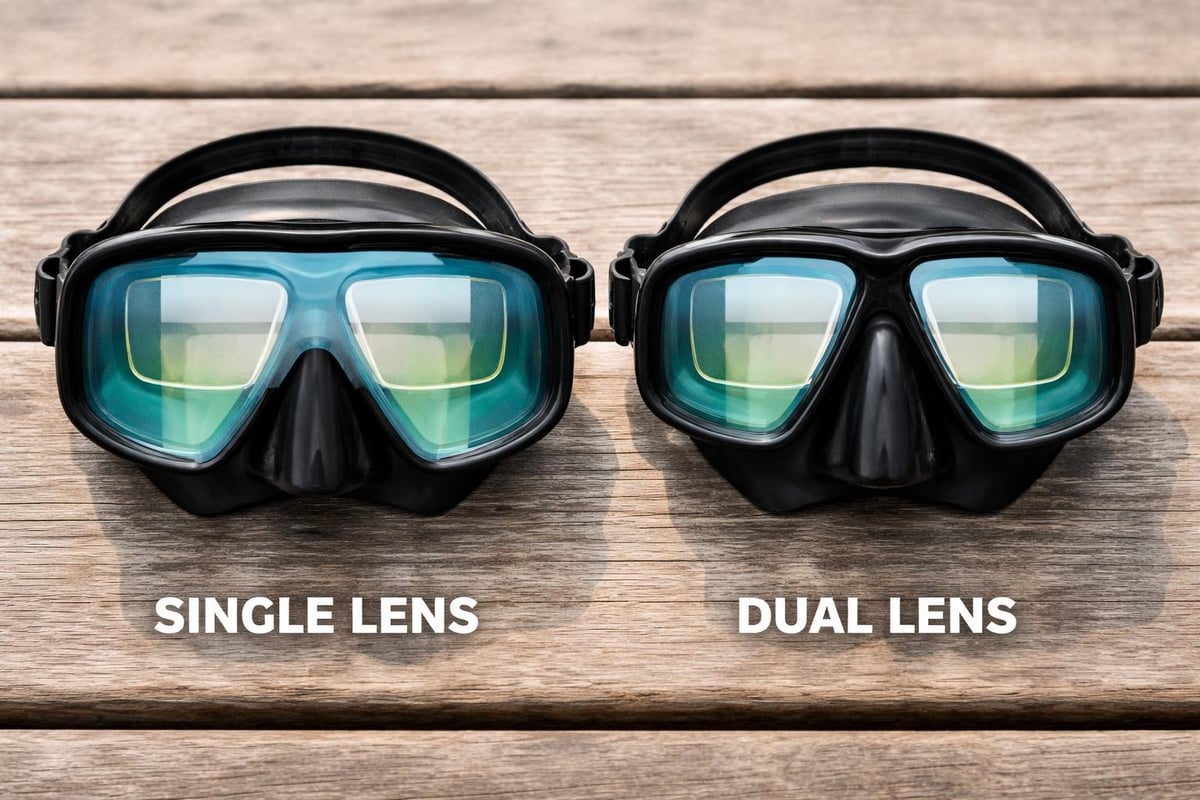
Single lens masks offer an unobstructed panoramic view with no central frame interruption. However, inserting prescription lenses into single-lens designs can be more complex and expensive. These masks work well for lower prescriptions where lens thickness isn't problematic.
Dual lens masks provide several advantages for prescription applications:
- Each lens can be independently customized to different prescriptions
- Narrower lens width reduces thickness for high prescriptions
- Easier and more cost-effective lens replacement
- Better accommodation of varying prescriptions between eyes
- Enhanced structural integrity with center frame support
The choice between configurations depends on your prescription strength and personal preferences. Divers with significant prescription differences between eyes typically prefer dual lens designs.
Volume and Fit Considerations
Low-volume masks sit closer to your face, reducing the air space that must be equalized during descent. This design minimizes the effort required for clearing water and equalizing pressure. Prescription goggles for diving with low-volume designs particularly benefit technical divers and freedivers.
Critical fit factors include:
- Skirt material and seal quality against facial contours
- Nose pocket accommodation for equalization
- Strap adjustment range and buckle positioning
- Lens-to-eye distance affecting peripheral vision
- Frame interference with vision correction zones
Testing mask fit before prescription lens installation prevents costly mistakes. The mask should seal comfortably without excessive strap tension. When you inhale gently through your nose, a properly fitted mask should stay in place without the strap.
Obtaining Your Prescription and Measurements
Accurate prescriptions are fundamental for effective prescription goggles for diving. Underwater vision demands precision that matches or exceeds standard eyewear requirements.
Prescription Requirements
Your optometrist should provide measurements including:
- Sphere (SPH): Correction power for nearsightedness or farsightedness
- Cylinder (CYL): Astigmatism correction if needed
- Axis: Orientation for astigmatic correction
- Add power: Near vision correction for progressive or bifocal lenses
- Pupillary distance (PD): Distance between pupil centers
Dive mask prescriptions may differ slightly from your regular eyewear prescription. The closer proximity of mask lenses to your eyes and underwater refraction effects sometimes require adjustments. Many prescription scuba diving specialists can help optimize your prescription for underwater conditions.
Professional Consultation Benefits
Working with vision professionals experienced in diving optics ensures optimal results. They understand the unique challenges of prescription goggles for diving and can recommend appropriate solutions. Some dive shops partner with optometrists to offer comprehensive vision services for divers.
Professional fittings also address comfort issues that might not be apparent during initial mask selection. The interaction between facial anatomy, mask skirt design, and prescription lens positioning requires expert assessment.
Lens Installation and Customization Process
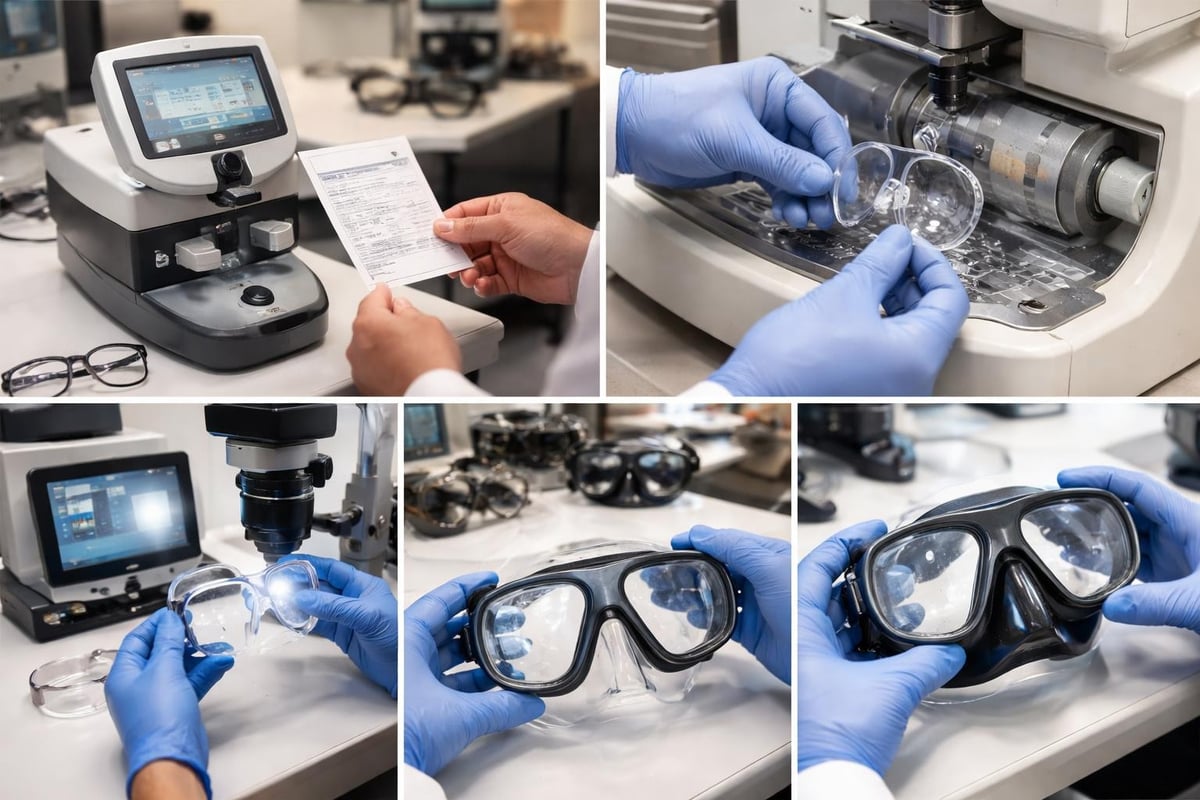
Modern prescription goggles for diving undergo sophisticated manufacturing processes to ensure optical precision and watertight integrity. Understanding these processes helps you appreciate the value of professional customization.
Bonding Techniques
Permanent bonding represents the gold standard for prescription dive mask assembly. Advanced adhesives create waterproof seals that withstand pressure changes and temperature variations. This method provides the most reliable long-term solution, with 5-year bonding guarantees available from premium manufacturers.
Drop-in lens systems offer flexibility for divers who want to change prescriptions or share masks. These systems use mechanical frames or clips to secure prescription lenses inside the mask. While convenient, they may slightly reduce the field of view and require periodic maintenance to ensure proper seating.
Quality Control Standards
Reputable manufacturers implement rigorous quality control measures:
- Optical accuracy verification against prescription specifications
- Pressure testing to ensure seal integrity at depth
- Visual inspection for distortions or manufacturing defects
- Alignment verification for astigmatic corrections
- Final fitting assessment for proper lens positioning
The lens types and glazing options available from specialized manufacturers demonstrate the breadth of customization possibilities. Understanding these options helps you make informed decisions about your prescription goggles for diving.
Maintenance and Care Guidelines
Proper maintenance extends the life of your prescription goggles for diving and ensures consistent optical performance. These specialized items require more attention than standard masks.
Cleaning Protocols
Pre-dive preparation involves treating new lenses to prevent fogging. Factory coatings sometimes create a film that promotes condensation. Gentle abrasion with toothpaste or commercial defog preparations removes this layer without damaging prescription surfaces.
Between dives, rinse your mask thoroughly with fresh water to remove salt, chlorine, and organic materials. Avoid harsh chemicals that might degrade lens coatings or mask skirts. Store masks away from direct sunlight in protective cases to prevent UV damage to both lenses and silicone components.
Storage Best Practices
Temperature extremes affect both optical and structural components. Keep your prescription goggles for diving in climate-controlled environments when possible. Avoid leaving them in hot vehicles or exposing them to freezing conditions for extended periods.
Store masks face-up to prevent lens scratching and maintain skirt shape. Separation from sharp objects and heavy equipment prevents accidental damage. Consider dedicated mask boxes with foam inserts for maximum protection during transport.
Cost Considerations and Investment Value
Prescription goggles for diving represent a significant investment, but the benefits justify the expense for serious divers. Understanding pricing structures helps you budget appropriately and identify the best value options.
Price Range Overview
| Category | Price Range | Features | Best For |
|---|---|---|---|
| Pre-made off-the-shelf | $50-$150 | Standard prescriptions, limited options | Budget-conscious divers, simple corrections |
| Semi-custom | $150-$300 | Choice of mask, standard prescriptions | Most recreational divers |
| Full custom | $300-$600+ | Any prescription, premium materials | Complex prescriptions, professional divers |
Custom prescription goggles for diving typically cost more initially but provide superior optical quality and durability. The ability to specify exact corrections, lens materials, and coatings creates a truly personalized solution. For detailed pricing information, consulting prescription dive mask specialists provides current market rates.
Long-term Value Assessment
Quality prescription masks last many years with proper care, making the per-dive cost remarkably low. Consider the enhanced safety, enjoyment, and confidence that clear vision provides underwater. The investment pays dividends through improved dive experiences and reduced vision-related stress.
Replacing contact lenses lost during diving or dealing with eye irritation from prolonged contact lens wear in aquatic environments adds hidden costs. Prescription goggles for diving eliminate these recurring expenses while providing more reliable vision correction.
Special Applications and Advanced Uses
Beyond recreational diving, prescription goggles for diving serve specialized purposes across multiple aquatic disciplines. These applications demonstrate the versatility of modern prescription dive masks.
Technical and Professional Diving
Technical divers conducting deep, extended, or overhead environment dives require exceptional visual acuity for reading multiple gauges, managing complex equipment, and navigating challenging conditions. Progressive prescription goggles for diving allow technical divers to monitor dive computers, depth gauges, and decompression schedules without sacrificing distance vision.
Commercial divers, underwater photographers, and marine scientists benefit from customized optical solutions tailored to their specific tasks. Underwater photography particularly demands precise focus capability, making prescription masks essential equipment for vision-impaired photographers.
Freediving and Spearfishing
Low-volume prescription masks suit freediving applications where minimizing equalization requirements enhances performance. Freedivers need clear distance vision for spotting fish, navigating underwater features, and maintaining buddy contact. The streamlined profiles of modern prescription goggles for diving reduce drag during descents and ascents.
Spearfishers require exceptional visual acuity for targeting fish at varying distances. Prescription masks eliminate the uncertainty of blurred vision that could affect accuracy and ethical harvesting practices. Understanding scuba diving mask selection principles applies equally to freediving applications.
Snorkeling and Surface Activities
Surface swimming and snorkeling present unique opportunities for prescription goggles for diving. The shallower depths and shorter durations make these activities ideal for introducing prescription masks. Many families include children or teenagers who need vision correction for safe, enjoyable snorkeling experiences.
The prescription swimming goggles collection offers alternatives for pool and surface activities, though dive masks provide superior face coverage and protection for open water conditions.
Addressing Common Challenges
Even with quality prescription goggles for diving, divers occasionally encounter issues requiring troubleshooting. Recognizing common problems and their solutions ensures optimal performance.
Fogging Issues
Persistent fogging despite proper preparation indicates incomplete surface treatment or deteriorated anti-fog coatings. Reapplying commercial defog solutions before each dive usually resolves the issue. Some divers prefer baby shampoo diluted with water as an effective, economical alternative.
Preventive measures include:
- Avoiding touching the inside lens surfaces with fingers
- Storing masks in dry, clean environments
- Replacing deteriorated anti-fog treatments annually
- Ensuring proper mask seal to minimize moisture entry
Leaking and Seal Problems
Prescription goggles for diving that leak compromise vision and comfort. Most leaks result from improper fit rather than manufacturing defects. Hair trapped under the skirt, incorrect strap tension, or facial structure incompatibility cause most seal failures.
Testing multiple mask styles helps identify the best fit for your facial contours. The silicone skirt should contact your face evenly without gaps. Overtightening straps actually increases leak probability by distorting the skirt seal.
Prescription Accuracy Concerns
If underwater vision seems incorrect despite accurate prescriptions, several factors might contribute. The mask-to-eye distance differs from eyeglasses, potentially requiring prescription adjustments. Consultation with the mask provider or optometrist usually identifies the issue.
Some divers experience different vision requirements underwater versus on land. This phenomenon relates to the magnification effect and altered light conditions. Custom prescription adjustments for diving-specific use sometimes provide better results than direct eyeglass prescription transfers.
Future Developments and Innovations
The field of prescription goggles for diving continues evolving with technological advances. Emerging innovations promise even better solutions for vision-impaired divers.
Smart Mask Technology
Heads-up display integration represents the frontier of dive mask innovation. Prescription-compatible smart masks could project dive computer data, navigation information, and communication alerts directly into the diver's field of view. These systems must accommodate prescription lenses without compromising optical quality.
Advanced Lens Materials
Researchers are developing new optical materials that combine superior clarity, impact resistance, and anti-fog properties. These next-generation materials may eliminate many current maintenance requirements while providing enhanced optical performance. Photochromic lenses that automatically adjust to varying light conditions show particular promise for diving applications.
3D-Printed Custom Masks
Additive manufacturing enables truly customized mask frames tailored to individual facial geometry. Combining 3D scanning with prescription data could produce prescription goggles for diving that fit perfectly and accommodate any optical correction. This technology may significantly reduce costs while improving accessibility to custom solutions.
The integration of augmented reality features into prescription dive masks could revolutionize underwater navigation, species identification, and dive training. These developments will likely emerge gradually over the next several years, making prescription goggles for diving increasingly sophisticated and user-friendly.
Clear underwater vision transforms diving from a blurry approximation into a vivid, detailed experience that rivals land-based visual clarity. Whether you need simple distance correction, progressive lenses for reading dive instruments, or complex astigmatism correction, modern prescription goggles for diving deliver reliable solutions tailored to your specific requirements. If you're ready to experience the underwater world with crystal-clear vision, diving-mask.com offers comprehensive customization options, expert guidance, and quality assurance that ensures your prescription dive mask meets the highest standards for both optical precision and diving performance.