Prescription Scuba Diving Mask Guide: Find Your Perfect Fit 2026
Imagine gliding beneath the waves, taking in vibrant coral reefs and darting fish with perfect clarity. For many divers, blurry vision can turn these moments into missed opportunities and safety concerns.
A prescription scuba diving mask is designed to correct your vision underwater, so you can experience every detail with confidence and comfort. This guide will help you understand your options, choose the right mask, and care for it to ensure years of safe, enjoyable diving.
We’ll walk you through types of prescription masks, how to read your eye prescription, fit and comfort tips, lens technologies, ordering steps, and essential maintenance. Dive in and discover how to find your perfect fit for 2026.
Understanding Prescription Scuba Diving Masks
Exploring the underwater world should be a feast for the eyes. For many, blurry vision can turn a vibrant reef into a haze. The right prescription scuba diving mask changes this experience, offering clarity, comfort, and safety for every dive.

What Are Prescription Scuba Diving Masks?
A prescription scuba diving mask is a specialized mask designed to correct vision underwater. Unlike standard masks, it integrates custom or pre-made corrective lenses directly into the mask frame.
These masks address common vision issues such as myopia (nearsightedness), hyperopia (farsightedness), astigmatism, and presbyopia. If you rely on glasses above water, you may benefit from a prescription scuba diving mask.
Some divers consider wearing contact lenses beneath a standard mask. While this is possible, contacts may dislodge, trap debris, or become uncomfortable during dives. A prescription scuba diving mask eliminates these risks, offering consistent, reliable correction.
Safety is a primary benefit. Clear vision underwater helps you read gauges, spot hazards, and communicate with your dive buddy, making every dive safer and more enjoyable.
Types of Prescription Lenses for Diving Masks
Prescription scuba diving mask options include several lens types, each catering to different visual needs:
- Single Vision Lenses: Designed for either distance correction (seeing the environment) or near correction (reading gauges).
- Bifocal and Progressive Lenses: Ideal for divers who require both distance and near correction. Bifocals have a distinct line, while progressives offer a seamless transition between focal points.
- Custom vs. Off-the-Shelf Lenses: Off-the-shelf lenses are pre-manufactured in common powers, typically ranging from $39–$60 per lens. They are convenient for standard prescriptions but may not accommodate complex needs. Custom lenses are tailored to your exact prescription, including high astigmatism or strong plus diopters, offering precise vision correction.
Lens integration methods vary:
- Drop-In Lens Systems: Brands like Tusa and Scubapro offer masks where corrective lenses simply replace the standard glass. This approach is cost-effective and easy to install.
- Bonded or Custom Lens Solutions: For unique prescriptions, lenses are ground to specification and permanently bonded to the mask. This method is ideal for divers with uncommon vision requirements.
| Lens Type | Pros | Cons |
|---|---|---|
| Off-the-Shelf | Fast, affordable, easy replacement | Limited ranges, not for all needs |
| Custom | Precise correction, supports all RX | Higher cost, longer turnaround |
For a deeper look at the differences between corrective lens options, visit the Corrective Lens Dive Mask Options guide.
Keep in mind, off-the-shelf solutions may not support positive diopters or astigmatism correction. For these cases, custom services are recommended for optimal results.
How Prescription Is Incorporated Into Dive Masks
The process of incorporating your prescription into a scuba diving mask depends on the lens and mask type.
Custom Masks: For truly individualized correction, your prescription is used to grind lenses that fit your exact needs. These lenses are then permanently bonded to the inside or outside of the mask glass. This approach works for almost any prescription, including progressive and bifocal designs.
Drop-In Lenses: Some mask models are designed for easy installation of pre-made corrective lenses. You select the lens powers that match your prescription, and the lenses are snapped or screwed into place. This is common for dual-lens masks.
Manufacturers typically support prescription ranges from -1.0 to -8.0 diopters for off-the-shelf options. If your prescription falls outside this range, or if you need correction for astigmatism or multifocal needs, custom lens services are available.
Some providers even retrofit prescription lenses into your existing favorite mask. This flexibility ensures you do not have to compromise on fit or style to achieve clear underwater vision.
In summary, whether you need a standard or highly specialized prescription scuba diving mask, modern solutions offer clarity and comfort for nearly every diver.
Decoding Your Prescription: What You Need to Know
Understanding your eye prescription is the foundation for choosing the right prescription scuba diving mask. Before you order, it's important to know how to interpret your prescription, match it to available mask options, and avoid common errors that can affect your underwater experience.
How to Read Your Eye Prescription
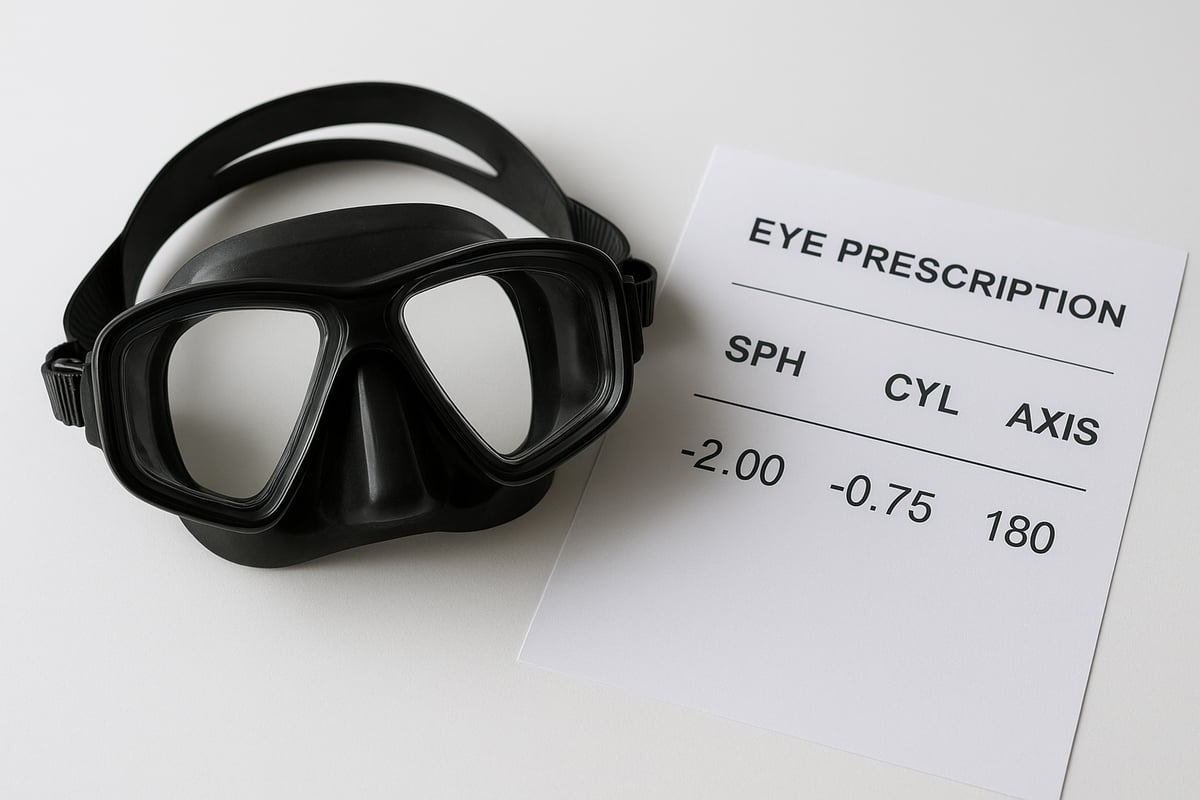
When selecting a prescription scuba diving mask, you need to understand your eye prescription details. The main measurements are SPH (sphere), CYL (cylinder), and AXIS. SPH indicates the overall strength needed for nearsightedness or farsightedness. CYL and AXIS address astigmatism, which is when your eye shape causes blurred vision.
You'll also see OD and OS, which stand for right and left eye. Sometimes, your prescription will include Pupillary Distance (PD), measuring the space between your pupils. PD helps ensure lenses are centered for optimal clarity.
For example, a prescription might read:
OD: SPH -2.50, CYL -1.00, AXIS 180
OS: SPH -3.00, CYL -0.50, AXIS 170
PD: 62mm
This means your right eye needs a -2.50 correction with some astigmatism, while the left eye requires -3.00. Understanding these numbers helps you communicate your needs when ordering a prescription scuba diving mask.
For a deeper dive into interpreting your prescription and its impact on mask selection, see the Prescription Diving Masks Guide.
Matching Your Prescription to Mask Options
Most prescription scuba diving mask brands support a range from -1.0 to -8.0 diopters for nearsightedness. If you have a high or unusual prescription, such as strong plus diopters or significant astigmatism, you may need a custom lens solution.
Off-the-shelf masks often do not support positive diopters or astigmatism correction. In these cases, custom lens services are recommended. Custom lenses provide more precise correction and can accommodate complex needs, including bifocals or progressives.
When deciding between standard drop-in lenses and custom options, review your prescription carefully. If your numbers fall outside the typical range, or if you require both distance and reading correction, a custom prescription scuba diving mask will offer the best clarity and comfort.
Common Mistakes When Ordering Prescription Masks
Ordering a prescription scuba diving mask involves details that can easily be overlooked. Avoid these common mistakes:
- Entering your prescription incorrectly, especially sign errors or switching right and left eyes.
- Forgetting to include your PD, which can affect lens alignment.
- Not considering the water's magnification effect, which can slightly improve vision underwater for mild prescriptions.
- Choosing the wrong lens type for your diving style, such as single vision instead of bifocal if you need both distance and gauge reading.
- Using an outdated prescription, which may not reflect your current vision needs.
Taking the time to verify every detail ensures your prescription scuba diving mask delivers the clarity and safety you expect on every dive.
Finding the Right Fit: Comfort, Seal, and Mask Styles
Achieving the ideal fit is essential for any prescription scuba diving mask. A proper fit ensures clear vision, prevents leaks, and makes every underwater adventure more enjoyable. Whether you are a seasoned diver or shopping for your first prescription scuba diving mask, understanding fit, style, and features is crucial.

How to Ensure a Perfect Mask Fit
Choosing a prescription scuba diving mask with a great fit is the foundation of underwater comfort and safety. Begin by placing the mask on your face without using the strap. Inhale gently through your nose and check if the mask stays in place with suction alone. This simple fit test shows if the skirt creates a reliable seal.
Adjust the mask straps evenly and ensure the silicone skirt rests smoothly against your skin. Different face shapes, such as high cheekbones or broad noses, may need specific mask models. A well-fitted prescription scuba diving mask prevents leaks, fogging, and discomfort during extended dives.
A good seal is essential, particularly for prescription lenses, as even a small leak can disrupt your vision correction and the overall dive experience. Check for pressure points or gaps before heading into the water.
Mask Styles and Features to Consider
The style of your prescription scuba diving mask influences comfort, vision, and lens compatibility. Single-lens masks offer an uninterrupted view but may limit lens customization. Dual-lens masks allow for separate prescription lenses in each eye, making them a popular choice for custom corrections.
Consider mask volume as well. Low-volume masks sit closer to the face, making them easier to clear and providing a wider field of vision. High-volume masks may feel roomier but can be harder to clear and sometimes less suited to prescription lens installation.
The skirt material is another important aspect. Silicone skirts are hypoallergenic, soft, and durable, while rubber skirts are less common and may not provide the same comfort. Frameless designs offer flexibility and reduced weight, while framed masks deliver stability and support for prescription lenses. Models like the Tusa Intega and Paragon are excellent examples of dual-lens options that balance style and function.
Prescription Mask Options for Kids and Teens
Selecting the right prescription scuba diving mask for younger divers requires special attention to fit, comfort, and safety. Children's faces are smaller and still developing, so youth-specific masks are designed to offer a secure, leak-free seal without excessive pressure.
Many leading brands offer smaller mask sizes with prescription lens options for kids and teens. Some models include adjustable straps, softer skirts, and vibrant colors to appeal to younger divers. For a closer look at available youth models, explore the Prescription Diving Masks for Kids page, which highlights custom-fit solutions for children.
Custom prescription scuba diving mask options for kids ensure that even complex prescriptions can be accommodated, supporting safe and enjoyable underwater experiences for the whole family.
Addressing Common Fit Issues
Some divers encounter unique challenges when selecting a prescription scuba diving mask. Facial hair can break the mask seal, while high cheekbones or narrow faces may cause discomfort or leaks. To solve these issues, consider masks with wider skirts, flexible frames, or adjustable nose pockets.
If you repeatedly struggle to find a comfortable seal, custom modifications are available for most prescription scuba diving mask models. These adjustments can include different skirt materials, sizing options, or even tailored mask shapes.
Before purchasing, always try the mask on in person if possible, or consult with a dive professional to ensure the best fit. Taking the time to address fit issues will pay off with enhanced comfort, safety, and visual clarity on every dive.
Lens Options and Technologies: Clarity, Coatings, and Upgrades
Choosing the right lens technology is crucial for any prescription scuba diving mask. The right lens not only corrects your vision but also enhances clarity, safety, and comfort underwater. Let’s explore the key lens options, coatings, and upgrades that can transform your diving experience.
Lens Material and Optical Quality
The foundation of every prescription scuba diving mask starts with the lens material. Most premium masks use tempered glass, valued for its superior optical clarity and resistance to impact. This material is far safer than standard plastic, reducing the risk of breakage during dives.
Plastic lenses, while lightweight, may scratch more easily and can distort vision over time. For divers seeking durability and sharp vision, tempered glass remains the recommended choice.
Lens thickness also matters. Thicker lenses support higher prescriptions, but advanced grinding techniques now allow for thinner, lighter options without compromising safety. Scratch-resistant coatings further enhance longevity, keeping your prescription scuba diving mask clear for years.
| Lens Material | Clarity | Durability | Weight |
|---|---|---|---|
| Tempered Glass | High | Very High | Medium |
| Plastic | Medium | Lower | Light |
Anti-Fog, UV Protection, and Color Correction
Lens coatings elevate the performance of your prescription scuba diving mask. Anti-fog treatments are essential, preventing condensation that can obscure your vision underwater. Regularly applying an anti-fog solution or using masks with built-in coatings ensures you never miss a moment.
UV protection is another critical upgrade. Extended exposure to sunlight on the water can harm your eyes, even below the surface. Lenses with UV-blocking properties safeguard your vision, making every dive safer.
Color-correcting lenses are increasingly popular, especially for those exploring vibrant reefs. By filtering out certain wavelengths, these lenses restore reds and oranges lost at depth, making marine life appear more vivid. Tinted prescription lenses can be tailored for specific environments, offering both correction and enhanced perception.
Advanced Lens Technologies
Innovative lens designs now address a wide range of vision needs. Progressive and bifocal lenses are available for divers requiring both near and distance correction. These options are perfect for reading gauges, cameras, or dive computers without sacrificing scenic views.
Prescription reading or gauge lenses are another solution, providing magnification in a small section of the mask. For those with complex prescriptions, custom lens bonding ensures precise alignment and correction.
If you want to explore these options further, see Progressive Prescription Diving Masks Explained for a detailed breakdown of advanced lens types and their benefits.
Progressive dive masks, in particular, allow seamless vision transition underwater, making them an excellent choice for multifocal correction in a prescription scuba diving mask.
Optional Features and Accessories
Accessorizing your prescription scuba diving mask enhances comfort and utility. Some divers prefer lens inserts, which can be removed or replaced as needed. Integrated prescription lenses, though, offer a more streamlined fit and better sealing.
Defoggers, both as sprays and wipes, are essential maintenance products. Prescription-compatible mask straps add security, while sturdy cases and covers protect your investment during travel.
When choosing accessories, always verify compatibility with your specific prescription scuba diving mask model. Proper care and the right upgrades ensure your mask remains reliable for every adventure.
How to Order Your Prescription Scuba Diving Mask
Finding the right prescription scuba diving mask requires careful planning and accurate information. The ordering process ensures your underwater experience is both clear and safe. Whether you are a new diver or upgrading your equipment, following a structured approach will help you avoid common pitfalls and get the best results.
Step-by-Step Ordering Process
Ordering a prescription scuba diving mask starts with gathering your most recent eye prescription. Make sure your prescription includes sphere (SPH), cylinder (CYL), axis, and pupillary distance (PD). Having all details is essential for accuracy.
- Obtain Your Prescription: Request a current prescription from your optometrist. Double-check it for clarity and completeness.
- Select a Mask Model: Choose a mask compatible with prescription lenses. Decide between single-lens or dual-lens styles, and consider features like skirt material and fit.
- Pick Lens Type: Decide if you need single vision, bifocal, or progressive lenses. Your diving habits and vision needs will guide this choice.
- Provide Accurate Details: Input your prescription exactly as written. Pay attention to left and right eye (OD, OS) and double-check the signs and numbers.
- Order from a Trusted Retailer: Choose a reputable dive shop or online retailer specializing in prescription scuba diving masks.
This methodical approach helps you avoid errors and ensures your prescription scuba diving mask will deliver optimal clarity underwater. With the global market for diving masks growing, as highlighted in the Global Diving Masks Market Forecast, more brands now offer prescription options and better customization.
Custom vs. Off-the-Shelf Solutions
When ordering your prescription scuba diving mask, you will encounter both custom and off-the-shelf solutions. Each offers unique benefits.
| Solution Type | Pros | Cons |
|---|---|---|
| Custom | Tailored fit for any prescription, supports complex needs | Higher cost, longer production time |
| Off-the-shelf | Fast, affordable, easy replacement | Limited prescription range, basic options |
Custom masks are ideal for divers with high astigmatism or uncommon prescriptions. Off-the-shelf solutions suit those with standard vision corrections and tighter budgets. Always match your prescription needs to the solution type for the best results.
What to Expect After Ordering
Once you order your prescription scuba diving mask, expect a short waiting period for lens manufacturing and installation. Off-the-shelf lenses often ship within days, while custom lenses may take one to three weeks.
Installation is usually handled by the factory or dive shop, ensuring a secure fit. Before your first dive, inspect the mask for quality and accuracy. Most reputable retailers offer return or exchange policies in case of fit or prescription issues. Keep your purchase documentation for warranty and support.
Custom Prescription Dive Masks by Diving Mask
Diving Mask delivers German-crafted, custom-made prescription scuba diving masks for any prescription, including progressive and single vision. Their service is compatible with top brands like Atomic, Cressi, Mares, Oceanic, and Tusa. With a 5-year warranty on lens bonding, worldwide shipping, and responsive customer care, they are ideal for divers seeking a truly personalized fit or complex prescription solutions.
Care, Maintenance, and Longevity of Prescription Dive Masks
Caring for your prescription scuba diving mask is crucial for maintaining clear vision and safe dives. Consistent maintenance not only extends the life of your mask but also ensures it performs at its best on every adventure.
Cleaning and Preventing Fogging
Keeping your prescription scuba diving mask clean is the first step to long-lasting clarity. Always rinse your mask with fresh water after each dive to remove salt, sand, and debris. Use a mild, non-abrasive soap and your fingertips to gently clean the lenses and skirt.
To prevent fogging, apply a recommended anti-fog solution or a small drop of baby shampoo, then rinse lightly. Avoid touching the inside of the lenses with dry fingers, as oils can cause fog. Never use toothpaste or harsh cleaners, as these may scratch prescription lenses and reduce clarity.
Regular cleaning protects your prescription scuba diving mask from buildup and keeps your underwater view crystal clear.
Storage and Transport Best Practices
Proper storage is key to protecting your prescription scuba diving mask between dives. Always store your mask in a sturdy, padded case to prevent scratches and lens damage during transport. Keep it away from direct sunlight and heat sources, as extreme temperatures can degrade the silicone skirt and affect lens bonding.
Before packing for a trip, inspect your mask and lenses for any signs of cracks, chips, or distortion. Never leave your prescription scuba diving mask in a hot car or exposed on the deck of a boat. A dedicated gear bag with compartments can help keep your mask secure and separated from heavier equipment.
Following these steps ensures your mask stays in top condition for every dive.
Troubleshooting Common Issues
Even with the best care, issues like leaks, fogging, or discomfort can arise. If your prescription scuba diving mask leaks, check the skirt and frame for debris or hair, and ensure you have a proper seal. Persistent fogging may indicate residue buildup, so try a deep clean and reapply anti-fog solution.
Discomfort or pressure points might mean the mask does not fit your face shape. If you have specific eye health concerns, such as glaucoma, it is wise to review safety research like the Effect of Diving Masks on Intraocular Pressure for additional guidance on mask use.
Addressing these issues promptly helps you maintain confidence in your prescription scuba diving mask on every dive.
Extending the Life of Your Prescription Mask
Routine maintenance can significantly extend the lifespan of your prescription scuba diving mask. After each dive trip, check the integrity of the lens bonding and skirt. Many providers offer warranties—such as five-year coverage on lens adhesion—so keep your documentation handy.
If your prescription changes, consider upgrading your lenses rather than replacing the entire mask. Gentle cleaning, careful storage, and regular inspections will keep your prescription scuba diving mask functioning optimally for years.
By investing a few minutes in care after each dive, you maximize both the performance and value of your mask.