Scuba Diving Snorkel Mask Guide: Expert Tips for 2026
Imagine gliding through vibrant underwater worlds in 2026, every detail crystal clear and every breath effortless. The right gear transforms your experience.
Choosing a scuba diving snorkel mask is more important than ever. Advances in design and technology mean your mask is your gateway to safe, comfortable exploration.
Whether you are a seasoned diver or a first-time snorkeler, understanding how to select the ideal mask can dramatically impact your safety, performance, and overall enjoyment.
In this expert guide, you will discover the latest mask types, fit tips, cutting-edge features, and essential maintenance advice. Let us help you make a confident decision and unlock your next underwater adventure.
Understanding Scuba Diving Snorkel Masks: Types, Features & Functions
Choosing the right scuba diving snorkel mask is the foundation of a safe and enjoyable underwater adventure. With so many options available in 2026, understanding the differences in types, features, and new technologies will help you select a mask that fits your unique needs and diving style. Let’s explore the essentials.
Types of Snorkel Masks
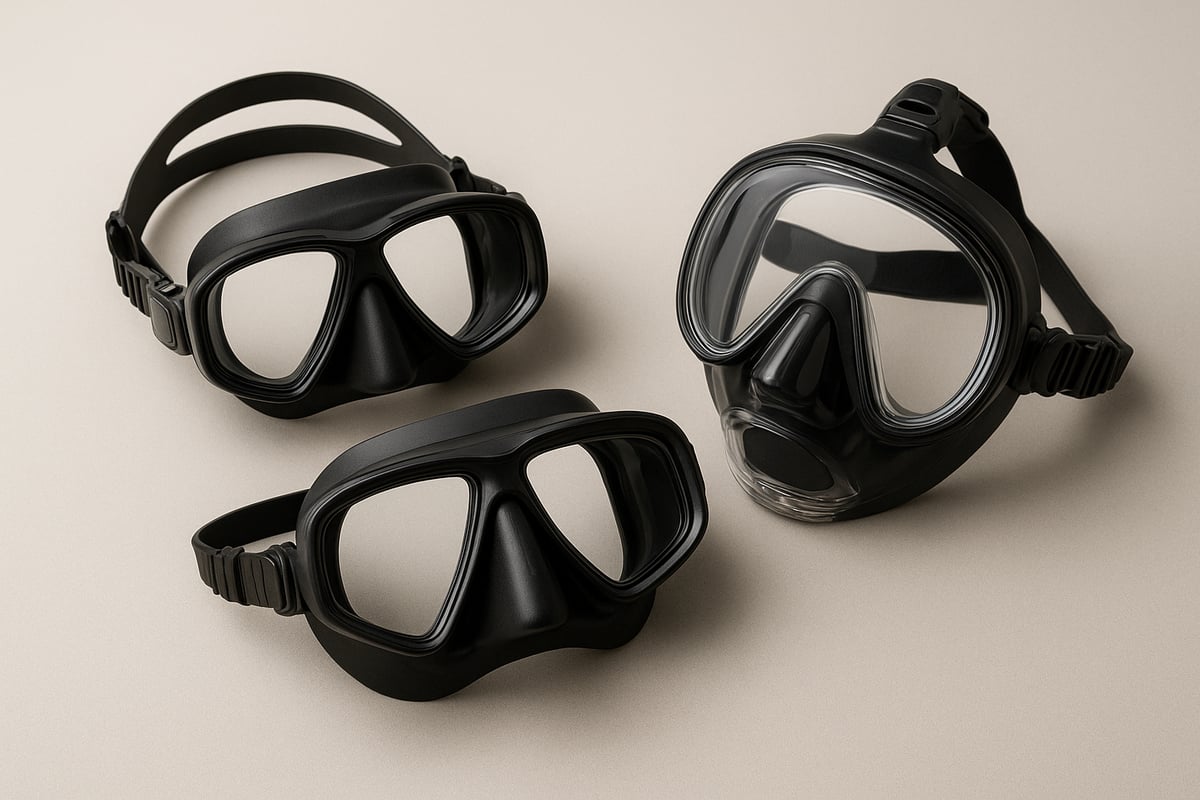
There are three primary designs in the scuba diving snorkel mask market: single lens, dual lens, and full-face. Single lens masks offer an uninterrupted field of view, making them popular for wide-angle underwater photography. Dual lens masks allow for prescription lens integration and typically sit closer to the face for easier clearing.
Full-face masks have surged in popularity, especially for recreational snorkelers, thanks to their panoramic vision and natural breathing experience. However, they are best suited for calm, shallow waters and may not be ideal for deep dives. According to recent snorkel mask collection overviews, panoramic masks continue to trend upward in the 2024-2026 market.
When comparing these designs, consider comfort, field of vision, and intended diving environment. Each type of scuba diving snorkel mask brings unique advantages and limitations that affect your underwater experience.
Key Features to Consider
The quality of your scuba diving snorkel mask depends on several critical features. Skirt material is crucial; medical-grade silicone outperforms rubber for comfort, hypoallergenic properties, and durability. For lens material, tempered glass provides superior clarity and safety compared to polycarbonate, which is lighter but more prone to scratches.
Adjustable straps and buckles ensure a custom fit and help prevent leaks. Low-volume masks are easier to clear and offer better buoyancy control, while high-volume masks can provide a more open feeling but may be harder to purge. Many advanced masks now include purge valves, which allow for effortless water expulsion, enhancing both safety and convenience.
When evaluating these features, focus on what matters most for your typical dive conditions and personal comfort.
Functions and Safety Considerations
A scuba diving snorkel mask must deliver a watertight seal to protect your eyes and nose during every dive. Modern masks often include advanced anti-fog and UV protection technologies, which are especially valuable when diving in tropical or high-sunlight areas. Prescription lenses are increasingly available, catering to divers who require vision correction without sacrificing comfort or safety.
Compatibility with snorkel attachments is another essential factor, ensuring your setup remains secure throughout the dive. According to the DAN 2023 report, many mask failures result from poor fit or improper maintenance, emphasizing the need for regular checks and proper selection.
Safety should always be your top priority when choosing and using a scuba diving snorkel mask.
Market Innovations for 2026
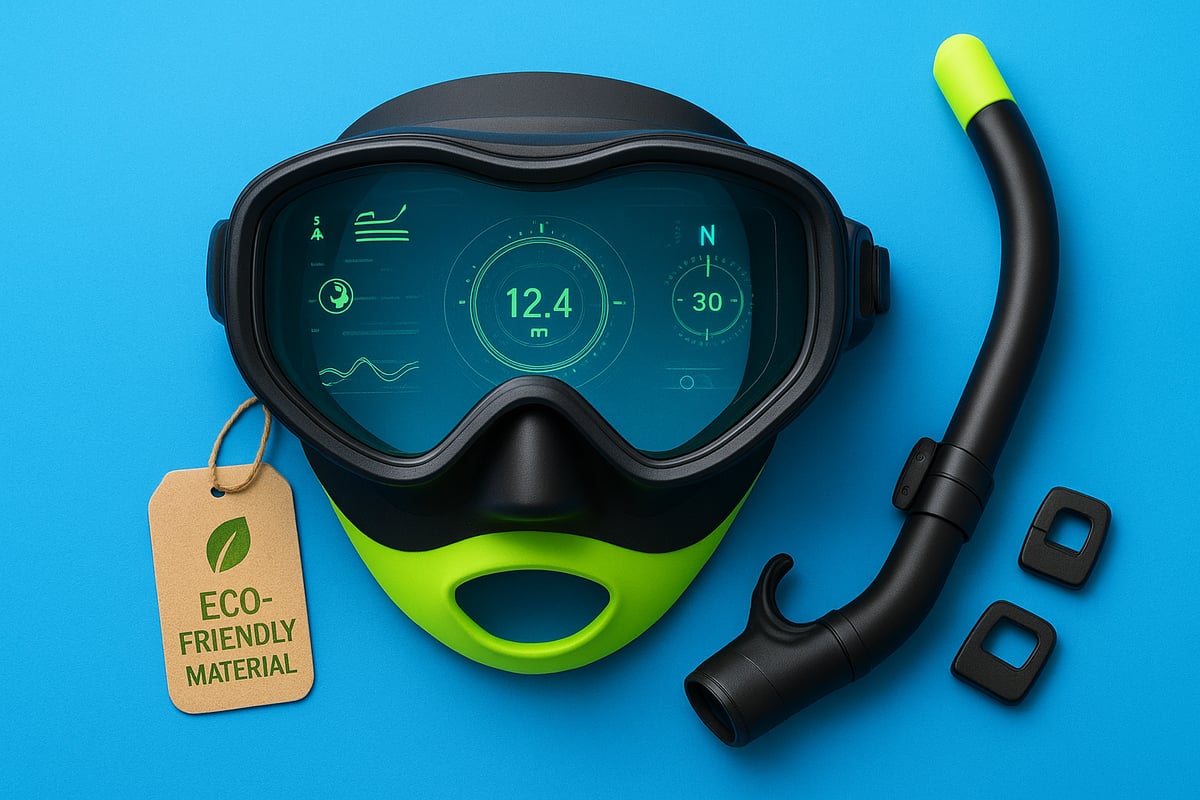
The scuba diving snorkel mask market in 2026 is shaped by exciting innovations. Smart masks now feature integrated displays and dive computers, giving real-time data directly in your field of view. Eco-friendly materials, including recycled silicone and sustainable manufacturing processes, are gaining traction as divers seek environmentally responsible gear.
Enhanced anti-fog coatings and hydrophobic glass have become standard, reducing maintenance and improving visibility. AI-powered mask fit assessment tools are launching this year, guiding consumers to their ideal mask with precision. Customization is also a rising trend, with modular masks allowing users to swap lenses, skirts, and colors to suit their style and needs.
These advancements ensure that every scuba diving snorkel mask not only meets but exceeds the demands of modern divers, paving the way for safer and more personalized underwater exploration.
How to Choose the Right Snorkel Mask for Your Needs
Selecting the ideal scuba diving snorkel mask is essential for comfort, safety, and underwater enjoyment. With evolving technology and a wide range of options in 2026, understanding the factors that matter most will help you make an informed choice. Use this step-by-step guide to find the perfect fit for your diving style and environment.
Assessing Your Diving Environment
Your diving environment plays a crucial role in choosing the right scuba diving snorkel mask. Open water, pool, and cave diving each present unique challenges. Open water often requires a mask with wide field of vision and robust sealing to handle waves and varying visibility.
For pool sessions, comfort and anti-fog features take priority. In caves or low-visibility sites, dual lens masks with low volume are preferred for easier clearing and minimal light distortion. When traveling, lightweight and compact masks are ideal.
If you plan to snorkel in calm, shallow water, a full-face mask may provide comfort and panoramic views. For cold water or tropical locations, look for masks with UV protection and thicker skirts for warmth and durability. Matching your scuba diving snorkel mask to your environment ensures optimal performance and safety.
Ensuring the Perfect Fit
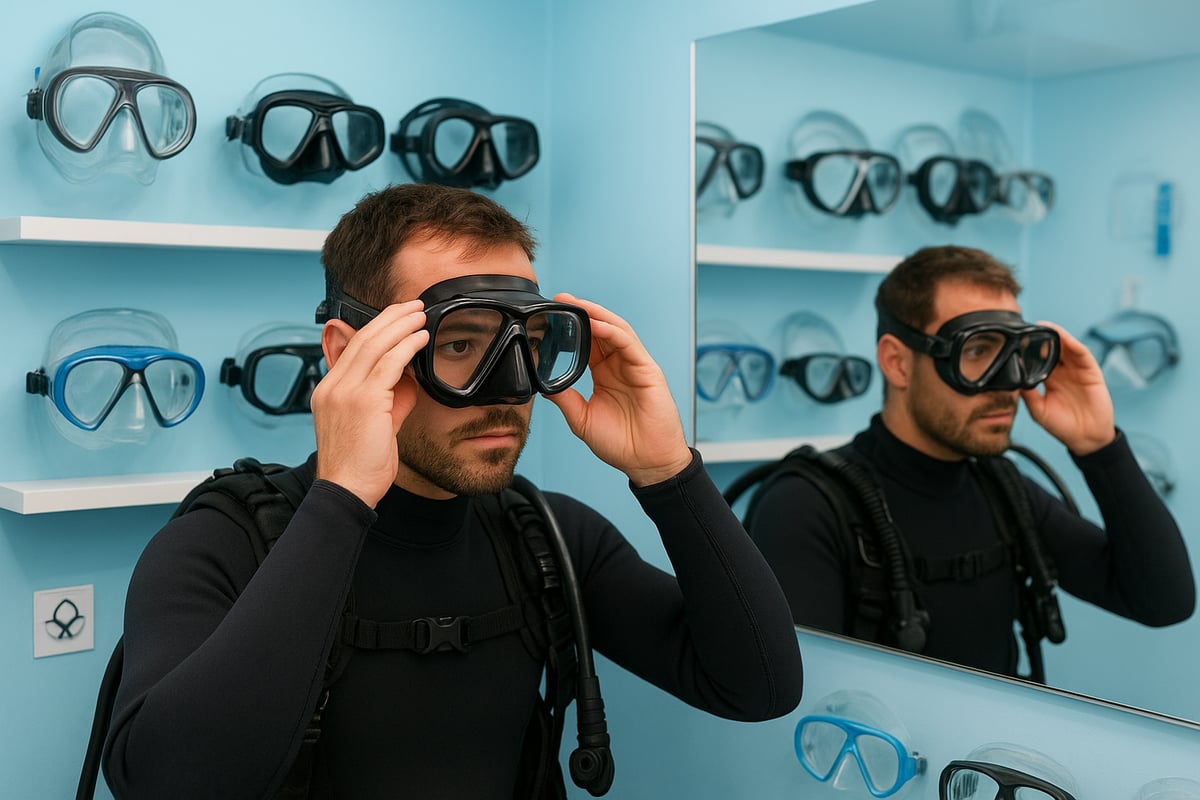
A proper fit is the foundation of mask comfort and leak prevention. Begin with a face shape assessment, holding the mask gently against your face without using the strap. Inhale through your nose; a well-fitting scuba diving snorkel mask will create a light suction and stay in place.
Common fit issues include pressure points, gaps around the skirt, or discomfort for those with facial hair. For small faces, select narrower masks with adjustable features. According to DAN 2023, 70% of mask leaks are due to poor fit.
When testing, adjust straps for even pressure and check for seal integrity by gently exhaling. If you have facial hair, consider masks with extra-soft silicone skirts for a better seal. Taking time to find the right fit will enhance your diving experience and minimize distractions underwater.
Lens Options & Vision Correction
Choosing the right lens type is crucial for clarity and eye protection. Clear lenses offer natural color, while tinted or mirrored lenses help reduce glare in bright conditions. Prescription lens integration is a game-changer for divers with vision needs, allowing you to see clearly underwater.
Single-vision lenses suit most users, but progressive lenses are ideal for those needing multiple corrections. Divers with astigmatism should consult mask specialists for compatible options. For an in-depth overview of prescription solutions, see the Prescription dive masks guide.
Selecting the right lens for your scuba diving snorkel mask will improve safety, comfort, and overall enjoyment, especially on longer dives or in challenging visibility.
Comfort & Durability Factors
Comfort and durability are essential for a reliable scuba diving snorkel mask. Look for soft, flexible skirt materials like medical-grade silicone, which provide a gentle seal and resist wear. Anti-allergy and hypoallergenic materials are recommended for sensitive skin.
Strap adjustment systems, such as quick-release or split straps, allow for personalized tension and easy donning. Durability ratings and warranty coverage are important considerations, especially for frequent divers.
Inspect mask construction for reinforced frames and sturdy buckles. Investing in a comfortable, long-lasting mask reduces the risk of mid-dive failures and enhances your underwater adventures.
Budget and Value for Money
Scuba diving snorkel mask prices in 2026 range from affordable entry-level models to high-end premium options. Features like custom fit, advanced lens coatings, and integrated technology often justify a higher price point. Consider which features align with your needs before making a decision.
Be aware of hidden costs, such as replacement straps, lenses, or maintenance supplies. Comparing popular models by price and features can help identify the best value. For example, three top-selling masks may vary in warranty, lens options, and comfort, so review specifications carefully.
Finding a scuba diving snorkel mask that balances cost, features, and durability will provide the best return on investment and enhance your diving experience for years to come.
Latest Trends and Technologies in Snorkel Masks (2026 Edition)
The world of scuba diving snorkel mask innovation is evolving rapidly. As we look ahead to 2026, advanced technology, sustainability, and personal customization are shaping the future of underwater exploration. Whether you are a new diver or a seasoned enthusiast, staying updated on these trends ensures you get the best experience beneath the waves.
Smart Snorkel Masks and Integrated Tech
Smart technology is revolutionizing the scuba diving snorkel mask. Heads-up displays (HUDs) now project real-time dive data such as depth, temperature, and remaining air, right inside your field of vision. Some models offer Bluetooth connectivity, enabling seamless dive logging and sharing with mobile devices.
2026's leading smart snorkel masks also include safety alerts, like ascent rate warnings and mask seal notifications. User feedback highlights increased confidence and situational awareness underwater. According to Snorkeling Mask Market Trends 2025-2035, adoption rates for smart masks are climbing, especially among tech-savvy divers.
Top-rated models combine high-resolution displays with intuitive controls, making them user-friendly. This new wave of intelligent scuba diving snorkel mask options is transforming how divers interact with their environment.
Eco-Friendly and Sustainable Mask Materials
Sustainability is now a priority for the scuba diving snorkel mask industry. Manufacturers are introducing skirts made from biodegradable and recycled silicone, which reduce environmental impact without sacrificing comfort or durability.
Non-toxic, ocean-safe production processes are becoming standard. In 2025, surveys showed that 40 percent of new masks used eco-friendly materials. This shift not only benefits marine ecosystems but also appeals to environmentally conscious divers.
While sustainable materials may adjust price points slightly, most divers appreciate the balance between performance and responsibility. The move toward green materials is making it easier than ever to choose a scuba diving snorkel mask that supports both your adventures and the planet.
Advanced Anti-Fog, UV, and Scratch-Resistant Coatings
Crystal-clear vision is essential for safety and enjoyment. The latest scuba diving snorkel mask coatings use nano-technology and hydrophilic layers to prevent fogging, even during long or deep dives. UV400+ protection is standard for tropical environments, shielding your eyes from harmful rays.
Scratch-resistant tempered glass innovations now extend mask lifespan, reducing the frequency of replacement. Lab tests and diver testimonials confirm that these coatings remain effective dive after dive, minimizing maintenance.
With these advanced features, today's scuba diving snorkel mask delivers superior clarity and protection, letting you focus on exploring rather than adjusting your gear.
Customization and Personalization
Personalization is at the forefront of scuba diving snorkel mask trends. Modular designs allow divers to swap out lenses and skirts to match different conditions or preferences. Customizable colors, fit, and lens types help you create a mask that reflects your style and needs.
Online fitting tools and 3D scanning technology ensure a precise fit, reducing leaks and pressure points. The rise of custom prescription mask providers means divers with unique vision needs have more options than ever.
This focus on customization not only improves comfort but also builds confidence, making every dive with your chosen scuba diving snorkel mask uniquely tailored to you.
Maintenance, Care, and Mask Longevity
A well-maintained scuba diving snorkel mask is your ticket to clear vision and safe underwater exploration. Proper care not only protects your investment but also ensures every dive is comfortable and worry-free. Let’s explore the best practices to keep your mask performing at its peak for years.
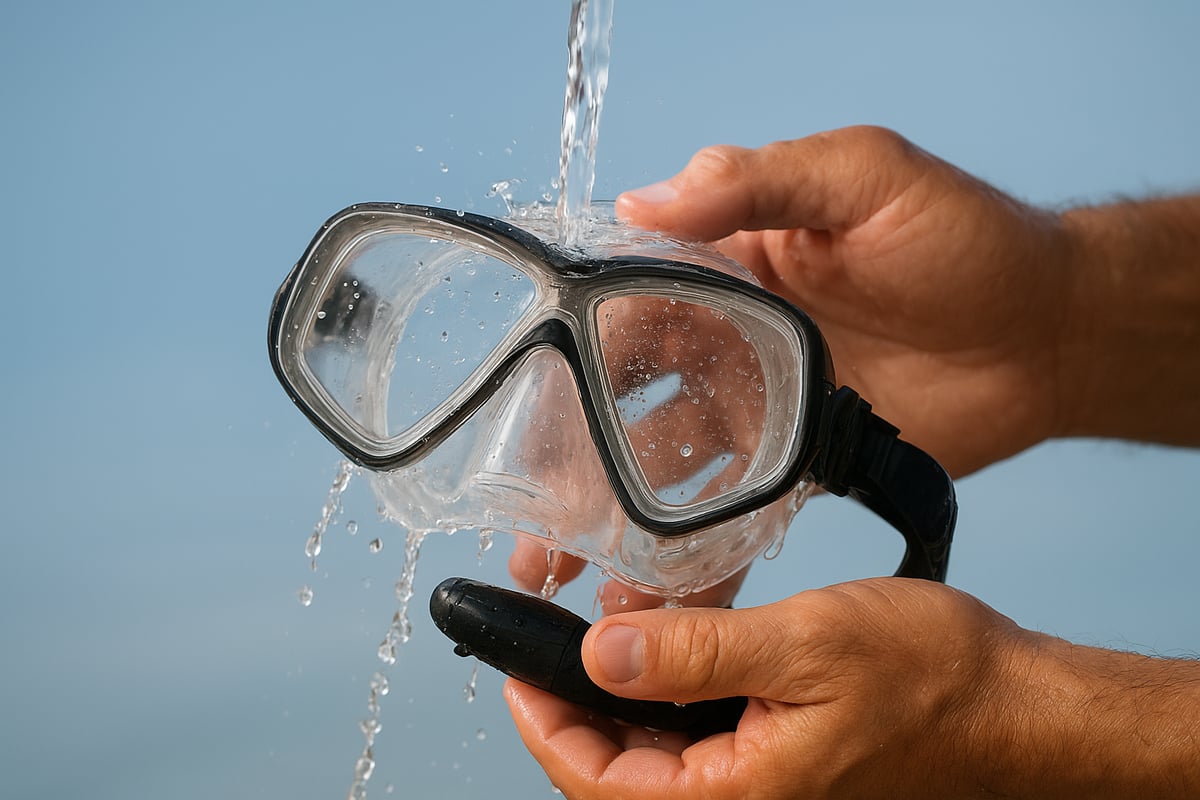
Cleaning and Storage Best Practices
After every dive, cleaning your scuba diving snorkel mask is essential. Begin by rinsing the mask thoroughly with fresh water to remove salt, sand, and chlorine. Use a mild, non-abrasive soap to gently clean the skirt and lens, paying special attention to crevices where debris can hide.
Dry the mask in a shaded, well-ventilated area. Avoid direct sunlight, which can degrade silicone and cause skirt deformation. Always store your mask in a rigid box or case to protect it from impacts and pressure that might warp its shape.
Proper storage also prevents mold and mildew. Never leave your scuba diving snorkel mask in a damp or sealed bag for extended periods. A quick visual inspection before storing helps catch any early signs of wear or damage.
Preventing and Treating Fogging
Few things are more frustrating than a fogged-up scuba diving snorkel mask during a dive. To avoid this, treat the lens with a commercial anti-fog spray or use a proven home remedy, such as diluted baby shampoo. Apply the solution, rinse lightly, and avoid touching the lens interior with your fingers.
Temperature shock can also trigger fogging. When entering the water, let your mask adjust for a few moments. For detailed fog prevention tips, check out How to prevent mask fogging, which provides practical solutions for every diver.
Consistent anti-fog maintenance improves visibility and safety. Remember, regular cleaning and careful handling of your scuba diving snorkel mask’s lenses are key to reducing fogging issues.
Handling Wear and Tear
Every scuba diving snorkel mask faces natural wear and tear, especially with frequent use. Inspect your mask regularly for cracks in the lens, tears in the silicone skirt, or any discoloration that might signal material breakdown.
Common signs of damage include loose or broken straps, sticky buckles, and scratches on the lens. Replace worn parts promptly to maintain a watertight seal and prevent discomfort during dives. Most manufacturers offer replacement straps, buckles, and even lenses to extend the lifespan of your mask.
Keep warranty details handy, as many premium masks include coverage for defects or early failures. Timely repairs and part replacements ensure your scuba diving snorkel mask remains safe and reliable.
Extending Mask Life with Proactive Care
Proactive care can significantly extend the lifespan of your scuba diving snorkel mask. When traveling, use a sturdy mask box and avoid exposing the mask to extreme heat or prolonged sunlight, which can weaken materials.
Establish a regular deep cleaning and inspection schedule, ideally after every few dives or trips. This habit helps prevent buildup of salt, sand, and bacteria. Divers who follow these routines often report their scuba diving snorkel mask lasting two years or more in excellent condition.
When your mask finally reaches the end of its life, consider recycling options to minimize environmental impact. Consistent care, combined with smart storage and gentle use, will keep your scuba diving snorkel mask ready for every adventure.
Expert Tips for Buying and Using Snorkel Masks in 2026
Choosing the right scuba diving snorkel mask can transform your underwater experience, providing clarity, comfort, and confidence. With rapid advancements in technology and changing safety standards, it's more important than ever to approach your purchase and use with an expert mindset. Here are the most effective strategies for 2026.
Step-by-Step Mask Selection Process
Selecting your ideal scuba diving snorkel mask begins with assessing your unique needs. Think about your vision requirements, face shape, dive environment, and budget. For instance, those diving in colder waters may prioritize masks with soft, flexible skirts and enhanced anti-fog features.
Research is essential. Consult verified reviews and analyze recent market trends. According to the Scuba Mask Market Forecast 2025-2033, modular and smart masks are gaining traction for their adaptability and integrated tech. When possible, try on multiple mask models at a dive shop or use virtual fitting tools to ensure the best match.
List your priorities:
- Vision correction or lens tinting
- Fit and comfort
- Durability and warranty
- Technological features
A thoughtful approach at this stage helps you avoid costly mistakes.
Testing and Adjusting Your Mask
Once you have your scuba diving snorkel mask, conduct an at-home fit test. Place the mask on your face without using the strap, inhale gently through your nose, and check for a secure seal. The mask should stay in place without air leaks.
Adjust the straps so they rest flat against your head, not too tight or too loose. Use quick-release buckles or ratcheting systems for precise adjustments. Practice mask clearing by gently exhaling through your nose to remove water, a crucial skill for both beginners and experienced divers.
Checklist for testing:
- Suction and seal check
- Strap adjustment
- Leak inspection
- Mask clearing rehearsal
Comfort and function are equally important, so take time to get familiar with your new equipment.
Maximizing Comfort and Performance Underwater
Wearing your scuba diving snorkel mask should feel natural, even during extended dives. Equalize pressure regularly by exhaling through your nose, especially as you change depths. This prevents mask squeeze and discomfort.
Apply anti-fog treatments before each dive, using commercial sprays or recommended home remedies. Avoid touching the inside of the lens, as oils from your skin can cause fogging. For full-face masks, practice slow, relaxed breathing to maximize air flow and comfort.
Tips for peak performance:
- Equalize early and often
- Use anti-fog solutions
- Practice controlled breathing
- Adjust straps for even pressure
These habits ensure your mask remains comfortable and your vision clear throughout every dive.
Safety and Emergency Protocols
Safety is paramount when using a scuba diving snorkel mask. Familiarize yourself with emergency removal techniques and practice handling mask flooding in a controlled environment. The buddy system is vital—always check each other's mask fit before entering the water.
According to recent Snorkel Safety Study Findings 2025, a significant portion of mask-related incidents stem from poor fit or improper use. Regularly inspect your mask for signs of wear and learn to replace straps or lenses as needed.
Key safety protocols:
- Emergency mask removal
- Flooding response drills
- Buddy checks for security
- Routine equipment inspections
Preparation minimizes risk and builds confidence in challenging conditions.
Common Mistakes and How to Avoid Them
Many divers encounter issues with their scuba diving snorkel mask due to avoidable errors. Over-tightening straps can cause leaks and discomfort. Prioritizing style or price over fit often leads to persistent problems. Neglecting maintenance shortens mask lifespan and affects safety.
Case studies from 2025 dive accident reports highlight these pitfalls. Address them proactively by following recommended care routines, choosing function over fashion, and investing in quality masks with proven durability.
Mistake prevention checklist:
- Adjust straps for gentle, even pressure
- Prioritize fit and comfort
- Clean and store mask after every dive
- Replace worn parts promptly
With the right approach, you can enjoy years of safe, clear underwater adventures.