Diving Glasses Guide 2026: Your Essential Underwater Companion
Imagine peering beneath the ocean’s surface, surrounded by vibrant coral and darting fish, with every detail crisp and clear. The right diving glasses can transform your underwater experience, making every moment vivid and safe.
This guide is crafted to help you select the perfect pair for 2026. You will discover the newest technologies, expert advice on fit and care, plus essential insights into prescription solutions and the latest trends.
Ready to see the underwater world like never before? Dive in, and let’s ensure every adventure is unforgettable.
Understanding Diving Glasses: Types, Features, and Innovations
Imagine slipping beneath the surface and seeing every coral and creature in vivid detail. That clarity depends on your diving glasses, a piece of gear as essential as your fins or tank. But what sets them apart, and how have they evolved for 2026? Let’s explore the types, features, and innovations shaping the world of diving glasses.
What Are Diving Glasses?
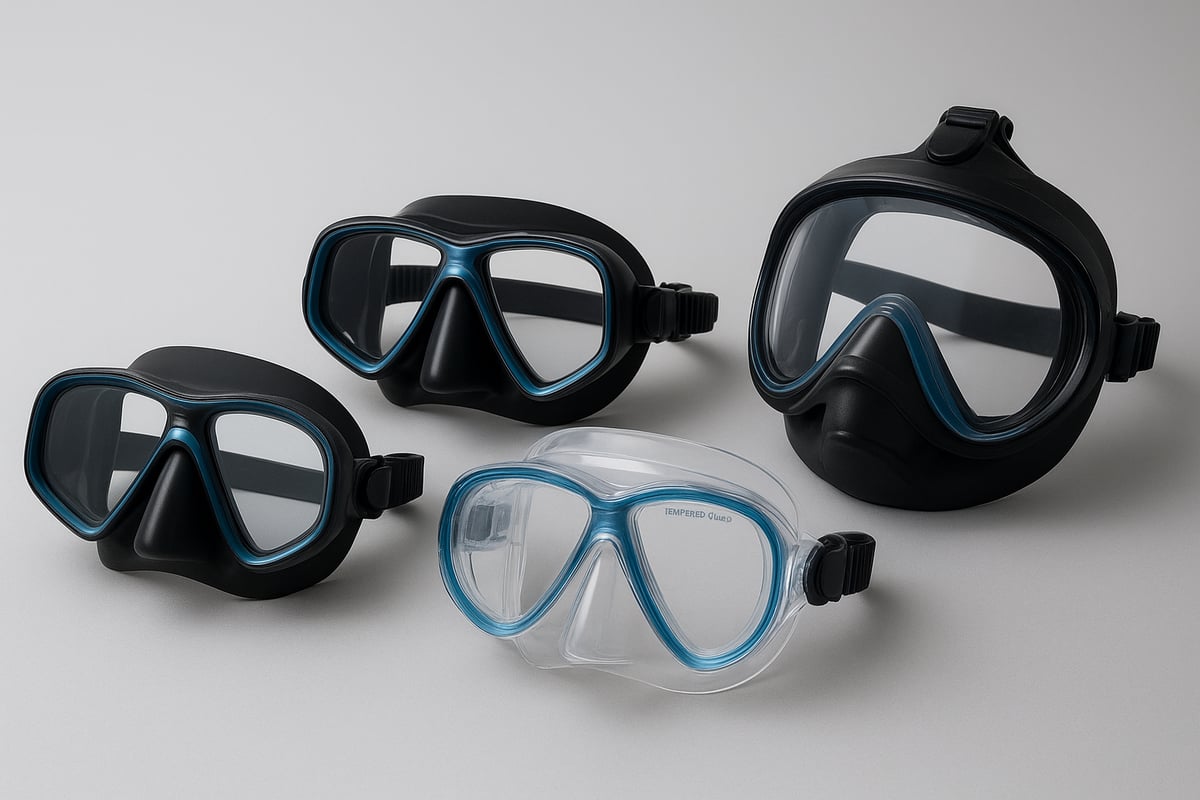
Diving glasses are specialized masks designed for underwater use, offering clear vision and critical eye protection. Unlike swim goggles, which fit only over the eyes, or snorkel masks, which often include integrated snorkels, diving glasses seal around the eyes and nose. This design lets you equalize pressure and see sharply at depth.
Materials matter. Most high-quality diving glasses use tempered glass for the lens, which resists shattering, and medical-grade silicone for the skirt, creating a comfortable, watertight seal. Anti-fog coatings are now standard, helping to keep your view clear on every dive.
Safety is paramount. Look for diving glasses certified to EN 250 and ISO 9001 standards, which indicate rigorous testing for performance and durability. Modern designs often feature wider fields of view and better fit compared to older models.
| Feature | Traditional Mask | Modern Diving Glasses |
|---|---|---|
| Lens Material | Basic glass | Tempered glass |
| Skirt Material | Rubber | Medical-grade silicone |
| Anti-Fog | None or basic | Advanced coatings |
| Certifications | Limited | EN 250, ISO 9001 |
Choosing diving glasses that meet these standards ensures your underwater vision remains reliable and safe throughout every adventure.
Types of Diving Glasses
There are several types of diving glasses, each tailored to different needs. The main categories include:
- Single-lens masks: Offer an uninterrupted field of vision. Popular for their simplicity and panoramic view.
- Dual-lens masks: Allow for prescription lens inserts and often fit a wider range of faces.
- Frameless masks: Lightweight with a flexible frame, great for travel and storage.
- Framed masks: More rigid, providing added durability and stability.
- Full-face masks: Cover the entire face, integrating breathing and vision, but may be bulkier and less suited to deep dives.
Specialized models exist for freediving, scuba, and snorkeling, each optimized for the activity. According to recent market data, dual-lens masks held the largest market share in 2025, followed by single-lens and full-face options, reflecting divers’ desire for versatility and comfort.
No matter your preference, understanding the variety of diving glasses helps you select the right model for your underwater goals.
Technological Innovations for 2026
Diving glasses for 2026 bring a wave of new technology. UV protection is now common, shielding your eyes from harmful rays at the surface and below. Advanced anti-fog coatings use nanotechnology to repel moisture, keeping your vision crisp even on long dives.
Some models include integrated action camera mounts, letting you capture every moment hands-free. The most cutting-edge diving glasses feature digital heads-up displays (HUDs), projecting dive data right into your field of view, and even integrating with dive computers for real-time updates.
Eco-friendly materials are also on the rise. Brands are turning to recycled plastics and sustainable manufacturing processes to reduce environmental impact. Major names in the industry have released models that combine these innovations, setting new benchmarks for performance and responsibility.
When considering diving glasses for 2026, look for these features to enhance both your safety and enjoyment underwater.
Choosing the Right Lens
The lens can make or break your underwater experience. Diving glasses come with several lens types: clear for maximum brightness, tinted for glare reduction, mirrored for bright conditions, and prescription for vision correction.
Lens color matters. Yellow-tinted lenses, for example, enhance contrast and visibility in low-light environments, while blue or mirrored lenses are ideal for sunny, shallow dives. For divers needing corrective vision, prescription lenses can be fitted to most modern diving glasses, ensuring sharp focus on every detail.
If you’re curious how lens color affects what you see, check out Color Vision Underwater Explained for a deep dive into the science behind lens tints and underwater clarity.
With so many options, choosing the right lens for your diving glasses ensures every dive is clear, safe, and memorable.
Fit, Comfort, and Safety: How to Select the Best Diving Glasses
Selecting the right diving glasses is crucial for both your underwater experience and safety. A well-chosen pair ensures clear vision, reliable comfort, and protection in any aquatic environment. Let us explore how to evaluate fit, comfort features, and essential safety elements, as well as prescription and customization solutions.
The Importance of a Proper Fit
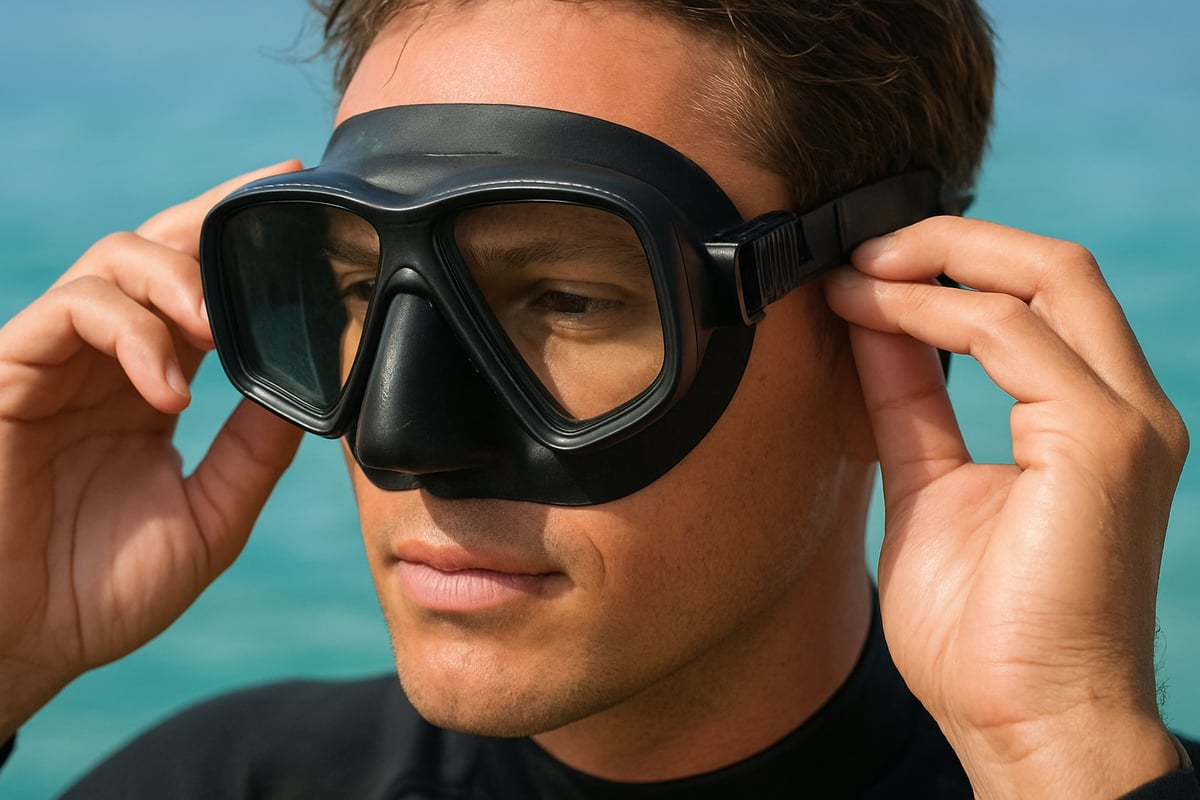
A precise fit is the cornerstone of effective diving glasses. A mask that fits well will create a watertight seal on your face, maintaining comfort and preventing leaks during your dive. The right fit also minimizes pressure points, reducing discomfort and distraction underwater.
To find your ideal fit, start by measuring your face shape and size. Most dive shops recommend holding the mask gently to your face and inhaling slightly through your nose. If the mask stays in place without holding it, you have a good seal. Common fit issues include persistent leaks, uncomfortable pressure on the forehead or cheeks, and frequent fogging.
Dive shops often use a fit test protocol, which includes:
- Trying various mask sizes and shapes
- Performing the suction test for seal effectiveness
- Checking for clear vision and unobstructed field
A proper fit ensures your diving glasses remain secure and comfortable throughout your dive.
Comfort Features to Look For
Comfort features make a significant difference in your underwater adventures. Look for diving glasses equipped with adjustable straps and quick-release buckles, as these allow for easy and secure adjustments. The material of the skirt is also critical; silicone skirts offer superior flexibility and longevity compared to traditional rubber, providing a softer, hypoallergenic seal.
Consider mask volume as well. Low-volume masks are lighter and sit closer to the face, making them easier to clear and reducing drag. High-volume masks may offer a broader field of vision but can be more cumbersome. Weight and field of vision also play a role in overall comfort, especially during long dives.
When choosing diving glasses, prioritize:
- Soft silicone skirts for comfort and durability
- Lightweight frames to reduce fatigue
- Wide lenses for an expansive underwater view
These features collectively contribute to a pleasant, hassle-free underwater experience.
Safety Considerations
Safety is paramount when selecting diving glasses. Ensure your mask uses shatterproof tempered glass, which resists impact and pressure changes far better than plastic alternatives. Anti-fog and anti-scratch coatings add another layer of protection, preserving lens clarity and safety over time.
Look for certifications that indicate adherence to international standards. Common certifications include:
- EN 250 (European safety standards)
- ISO 9001 (quality management)
- Other relevant scuba and snorkeling approvals
Popular 2026 models often display their safety ratings clearly, making it easier for divers to compare options. Always inspect for sturdy construction and reliable seals. Prioritizing these safety elements in your diving glasses will safeguard your eyes and enhance confidence in any aquatic condition.
Prescription and Customization Options
For divers who require vision correction, prescription and customized diving glasses are transformative. Many manufacturers now offer prescription lenses tailored for single vision, multifocal, or even astigmatism needs. Custom-fit options cater to unique facial structures, ensuring both comfort and clarity.
The benefits extend beyond just improved sight. Divers with prescription masks report fewer headaches, less eye strain, and a more immersive experience. According to industry data, a growing percentage of divers are choosing prescription options each year.
If you want to learn more about the process and benefits, the Prescription Diving Masks Guide provides comprehensive information, including how to select the right lens type and what to expect from custom manufacturing.
With global service and compatibility across major brands, prescription and custom diving glasses make underwater exploration accessible to all.
Step-by-Step Guide: How to Choose and Buy Diving Glasses in 2026
Selecting the right diving glasses can transform every underwater adventure into a clear, comfortable, and safe experience. This guide walks you through five essential steps, helping you make an informed decision tailored to your needs and preferences. By following these steps, you’ll ensure your new diving glasses are the perfect companion for your next dive.
Step 1: Assess Your Needs and Budget
Begin by identifying your primary diving activity. Are you planning to use your diving glasses for scuba, snorkeling, or freediving? Each activity places unique demands on comfort, field of vision, and durability.
Next, consider where and how often you will dive. Warm tropical waters, cold lakes, or cave environments may require different features or materials. Frequency of use also impacts your selection, as frequent divers often benefit from investing in premium models.
Set a realistic budget. Entry-level diving glasses typically start at around $40, while advanced models with features like prescription lenses or integrated tech can reach $250 or more. A comparison table can help clarify options:
| Type | Entry-Level | Mid-Range | Premium |
|---|---|---|---|
| Snorkeling Mask | $40 | $70 | $120 |
| Scuba Diving Glasses | $60 | $120 | $250+ |
| Freediving Mask | $45 | $90 | $180 |
Careful assessment at this stage ensures your diving glasses suit both your goals and your wallet.
Step 2: Research Brands and Features
Explore reputable brands known for reliability and innovation. Look for diving glasses with high-quality tempered glass, silicone skirts, and anti-fog coatings for lasting performance.
Key features to compare include lens type (clear, tinted, mirrored, or prescription), skirt material, strap adjustability, and the overall field of vision. Reading user reviews and expert recommendations provides insights into real-world performance.
Pay attention to customer satisfaction ratings from recent years. In 2025 and 2026, top-rated models consistently earned praise for comfort and leak resistance. Trusted brands typically offer better warranties and after-sales support, adding peace of mind to your purchase.
Step 3: Try Before You Buy
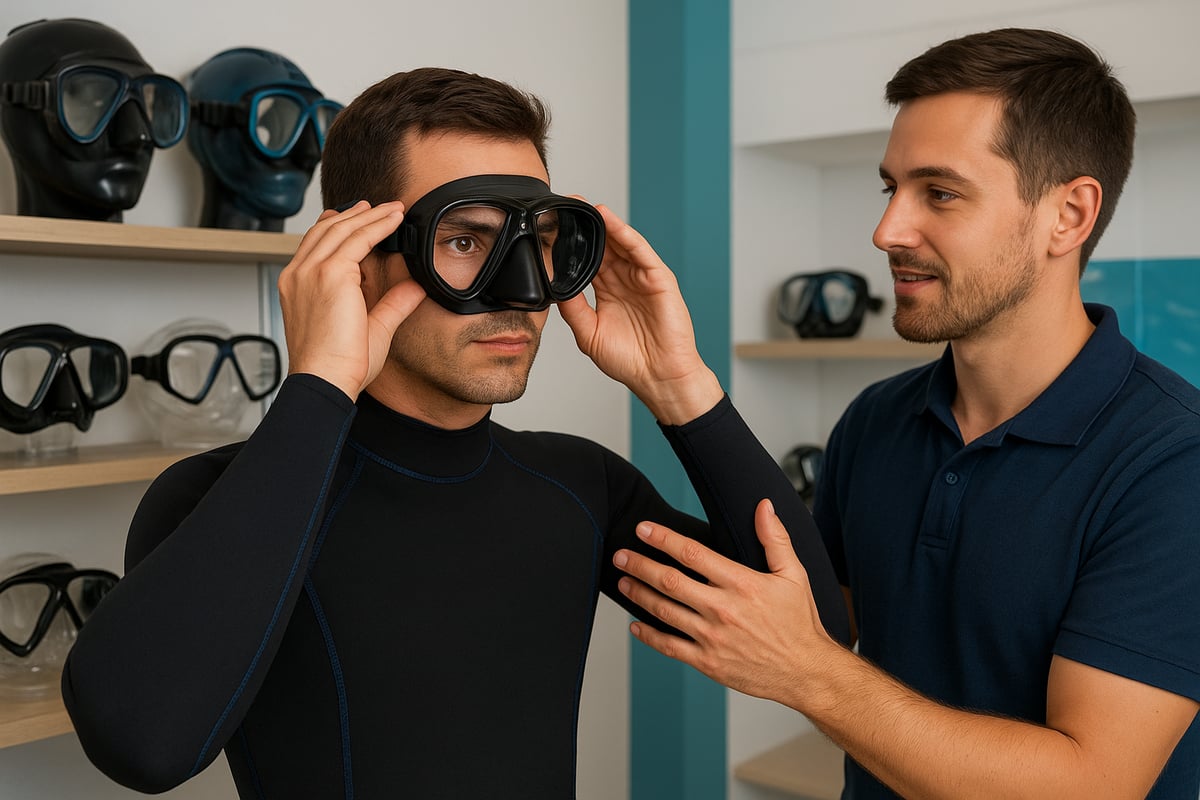
Whenever possible, visit a local dive shop to try on different diving glasses. A proper fit is vital for comfort and a watertight seal. Perform a leak test by gently pressing the mask against your face and inhaling through your nose. The mask should stay in place without straps and feel snug but not tight.
Check for pressure points, especially around the bridge of the nose and forehead. If shopping online, review the store’s return and exchange policies. Many reputable retailers offer generous trial periods and warranty coverage.
Dive shops often have fitting protocols to help you find the best match. Use their expertise to avoid common issues like leaks or fogging, ensuring your diving glasses are ready for any underwater challenge.
Step 4: Consider Prescription or Custom Options
If you require vision correction, modern diving glasses offer a variety of prescription options. Prescription lenses can be tailored for single vision, bifocal, or even progressive needs. Customization ensures a clear, comfortable view, even for those with astigmatism or multifocal prescriptions.
Ordering custom lenses typically involves providing your current prescription and allowing for additional lead time and cost. Some brands support customer-supplied masks for lens installation, expanding your choices.
For a deeper look at advanced prescription solutions, including progressive lens options, see Progressive Prescription Diving Masks.
Step 5: Make the Purchase and Prepare for Your Dive
Once you have chosen your diving glasses, decide where to buy. Local dive shops offer personalized service, while online retailers and specialty providers may provide a wider selection.
Before your first dive, inspect your new mask for any defects. Rinse it thoroughly, treat the lens with an approved anti-fog agent, and adjust the straps for a snug fit. A pre-dive checklist ensures nothing is overlooked:
- Inspect for scratches or defects
- Rinse and clean the lens
- Apply anti-fog treatment
- Adjust straps for comfort
Proper preparation guarantees your diving glasses deliver the clarity and safety you expect on every dive.
Care, Maintenance, and Troubleshooting for Diving Glasses
Caring for your diving glasses is essential if you want crystal clear vision and long-term performance underwater. Proper maintenance not only extends the life of your diving glasses but also ensures safety and comfort on every dive. Let’s explore the best practices for cleaning, solving common issues, and knowing when it’s time for a replacement.
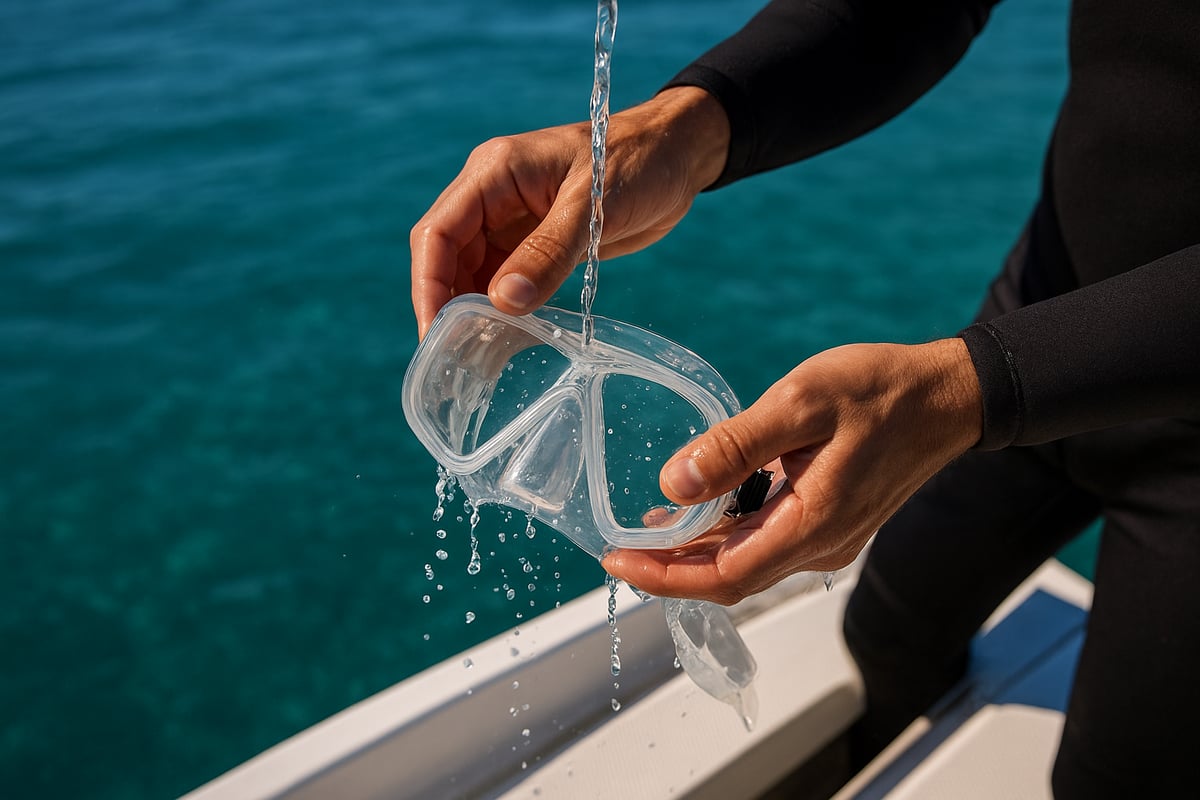
Cleaning and Storage Best Practices
After each dive, rinsing your diving glasses thoroughly with fresh water is vital. Salt, sand, and chlorine can cause rapid deterioration if left on the lenses or skirt. Hold your diving glasses under running water, gently rubbing away debris with your fingers. Avoid hot water, as it may damage silicone parts.
For a deeper clean, use a mild, non-abrasive soap. Stay away from household glass cleaners or anything containing ammonia, which can weaken coatings and degrade silicone. Specialized mask cleaners are available and are a safe choice for diving glasses.
Dry your diving glasses naturally by placing them in a shaded, ventilated area. Never leave them in direct sunlight or a hot car, as excessive heat can warp the skirt and frame. Once dry, store your diving glasses in a hard case to prevent scratches and mold growth.
Here’s a quick cleaning checklist:
| Step | Action |
|---|---|
| Rinse | Fresh water after every dive |
| Clean | Use mild soap or mask cleaner |
| Dry | Air dry in the shade |
| Store | Hard case, cool, dry place |
Following these best practices keeps your diving glasses in peak condition and ready for your next adventure.
Preventing and Solving Common Problems
Even with regular care, diving glasses can develop issues like fogging, leaks, or minor scratches. Fogging is a frequent complaint, especially in humid environments. To combat this, start by applying a recommended anti-fog solution or baby shampoo before each dive. Always rinse thoroughly to avoid eye irritation. For comprehensive anti-fog strategies, consider reading How to Stop Dive Mask Fogging, which covers both quick fixes and long-term solutions.
If your diving glasses start to leak, inspect the skirt for debris or damage. Small sand grains or hair trapped under the seal can break the watertight barrier. Adjust the straps for an even, snug fit, but avoid overtightening, which may cause discomfort or further leaks.
Scratches on the lens can impair underwater vision. Minor marks may be polished out using a dedicated mask polish, but deep scratches require professional repair or eventual replacement. For broken straps or buckles, most diving glasses are designed with replaceable parts. Keep a spare set in your dive kit for on-the-spot fixes.
Troubleshooting is often as simple as a quick visual inspection and routine maintenance. Staying proactive ensures your diving glasses stay reliable and clear.
Longevity and When to Replace
Diving glasses are built for durability, but even the best models have a lifespan. Signs that it’s time to replace your diving glasses include a skirt that has hardened or cracked, persistent leaks despite cleaning, and lenses with significant scratches or cloudiness.
Strap elasticity loss is another red flag. If the straps no longer hold tension or slip during adjustment, safety can be compromised. Most modern diving glasses last between three to five years with proper care, though frequent divers may need to replace them sooner.
Manufacturers recommend regular inspections at the start of each season. If you notice mold, strong odors, or any warping, it’s best to recycle or dispose of your old mask responsibly. Many brands now offer eco-friendly disposal programs to reduce environmental impact.
By staying attentive to these signs, you ensure your diving glasses remain a safe and effective companion for every underwater journey.
The Future of Diving Glasses: Trends and What to Expect in 2026 and Beyond
Imagine slipping on your diving glasses in 2026 and instantly connecting with the underwater world in ways once reserved for science fiction. The future of diving glasses is fast approaching, blending innovation, sustainability, and personalization to transform every dive into an extraordinary experience.
Smart Diving Glasses and Integrated Tech
The next generation of diving glasses is poised to revolutionize how divers interact with their environment. Heads-up displays (HUDs) are being integrated into mask lenses, offering real-time dive data, navigation, and even direct communication between divers.
Imagine seeing your depth, air supply, and compass all projected onto your lens, reducing the need for bulky external devices. Integrated cameras capture every moment, while Bluetooth connectivity allows seamless pairing with dive computers and mobile apps.
Leading brands are setting the pace, launching models that blend safety and convenience. For a closer look at how these smart features are shaping the future, explore the Technological Innovations in Scuba Diving 2025. As technology evolves, diving glasses will become indispensable tools for both recreational and professional divers.
Eco-Conscious Innovations
Sustainability is now at the forefront of diving glasses design. Manufacturers are adopting biodegradable and recycled materials, significantly reducing the environmental impact of mask production. Ocean-friendly packaging is becoming standard, with brands pledging to minimize plastic waste.
Some companies are even experimenting with biomimetic structures inspired by marine organisms, creating masks that are both lightweight and durable. The shift toward eco-conscious manufacturing is not just a trend but a movement, reflecting a commitment to preserving the underwater world that divers cherish.
As consumers demand greener products, expect to see more certifications and transparent reporting on sustainability practices in diving glasses. These advancements ensure that divers can explore the ocean responsibly, knowing their equipment supports marine conservation.
Enhanced Personalization and Customization
Personalization is taking center stage in the world of diving glasses. Advanced 3D facial scanning technology now allows for a truly custom fit, ensuring comfort and a watertight seal for every diver. Color and lens customization options have expanded, letting divers choose shades that best suit their underwater environment.
Prescription lenses are now available in a wider range of corrections, including multifocal and astigmatism solutions. On-demand manufacturing means faster turnaround times and more choices for consumers.
Industry reports indicate a steady rise in demand for custom-fit masks, as divers recognize the value of tailored solutions. Enhanced personalization not only improves performance but also elevates the overall diving experience.
Market and Consumer Trends
The global market for diving glasses is experiencing robust growth. Increased participation in recreational diving, coupled with greater awareness of eye safety, has fueled demand for innovative products. According to the Diving Mask Market Size & Share Analysis, specialty masks, including prescription and smart models, are capturing a larger share of the market.
Consumer surveys reveal a growing preference for masks that combine advanced technology, comfort, and sustainability. As more people take up diving, manufacturers are responding with diverse product lines and enhanced customer support.
This surge in interest is shaping the future of diving glasses, driving further investment in research and development. The market is evolving rapidly, with new entrants and established brands competing to deliver the best possible underwater vision.
Safety and Regulatory Developments
Safety remains a top priority as diving glasses technology advances. Updated standards and certifications, such as EN 250 and ISO 9001, are being revised to address new materials and integrated electronics. Rigorous testing protocols ensure that every mask meets strict guidelines for impact resistance, optical clarity, and environmental durability.
Manufacturers are investing in quality assurance, employing advanced testing equipment to simulate real-world conditions. Recent regulatory changes also require clearer labeling of safety features and compliance ratings.
As the landscape evolves, divers can expect greater transparency and improved safety across all diving glasses models. These developments not only protect users but also build trust in the brands leading the industry forward.